Cat coloring pages with playful kittens, cozy naps, and whiskers
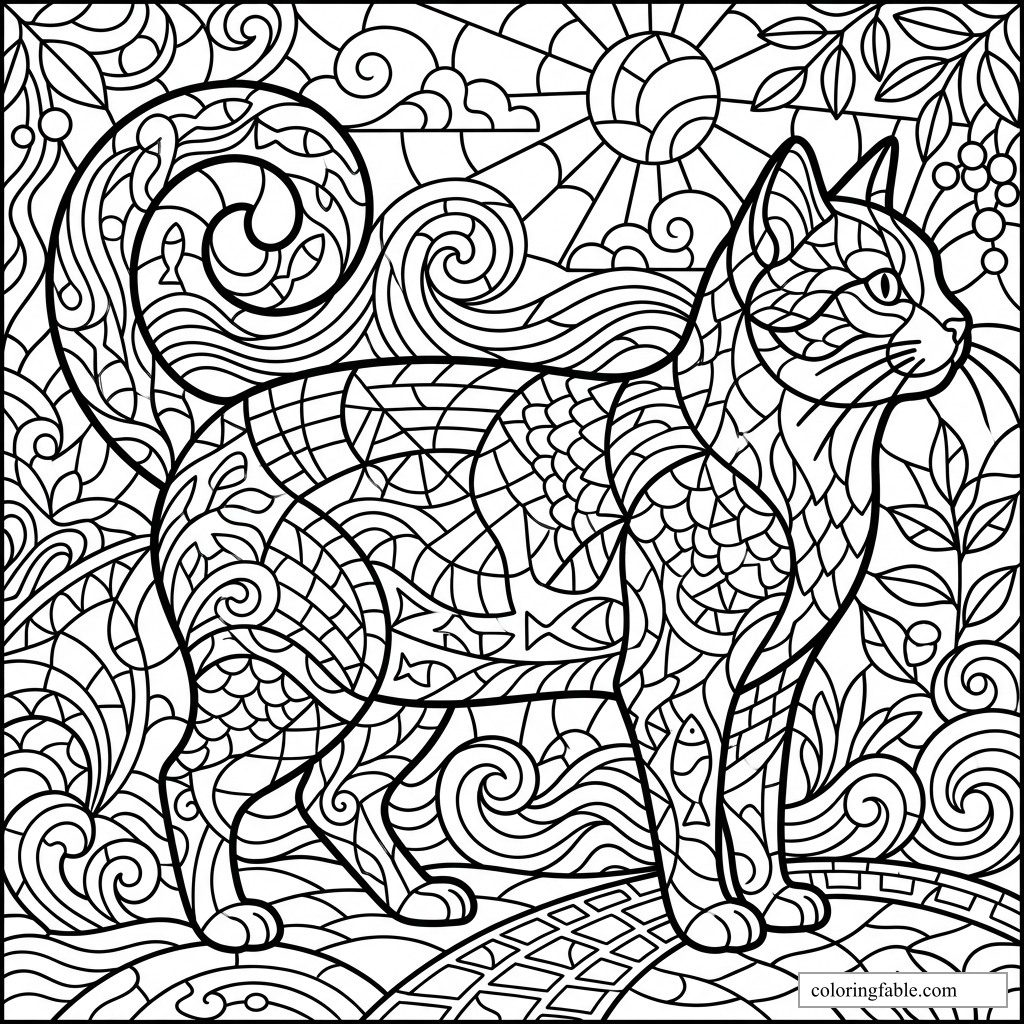
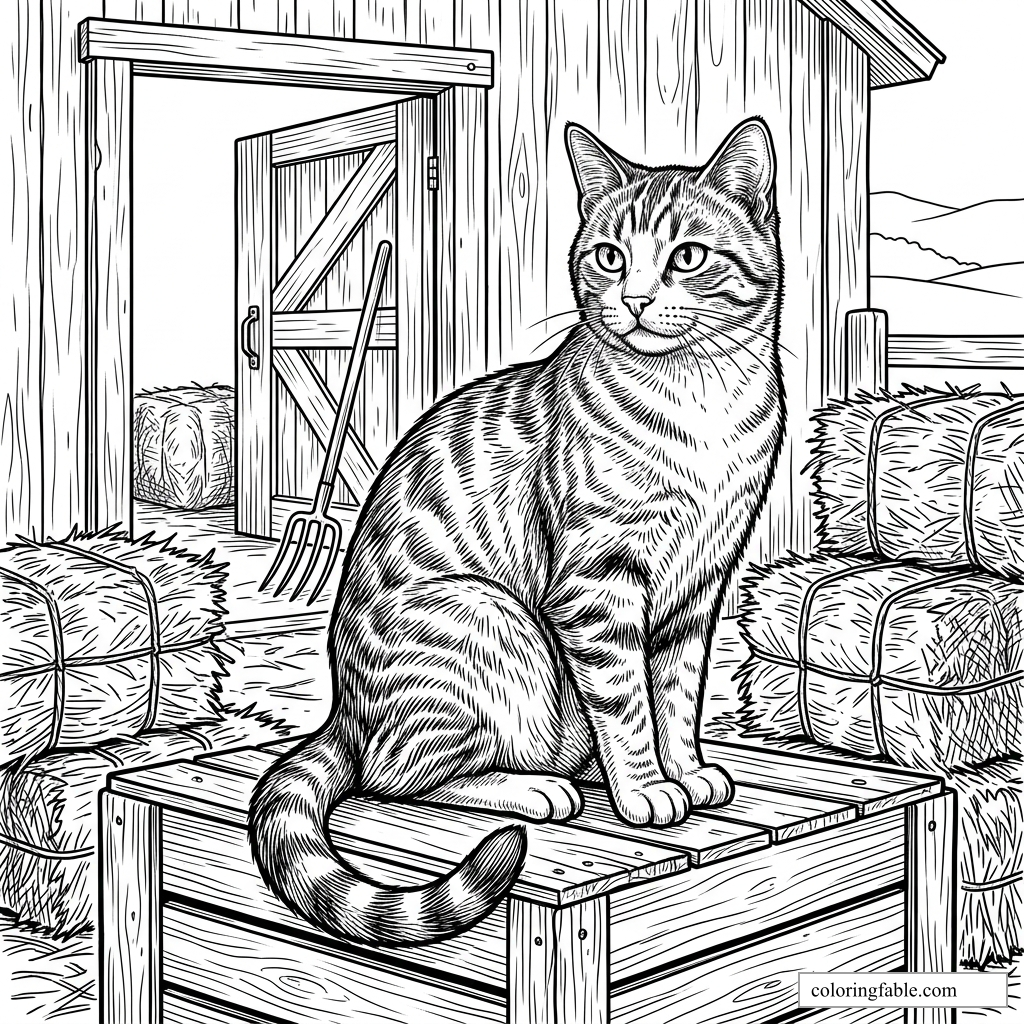
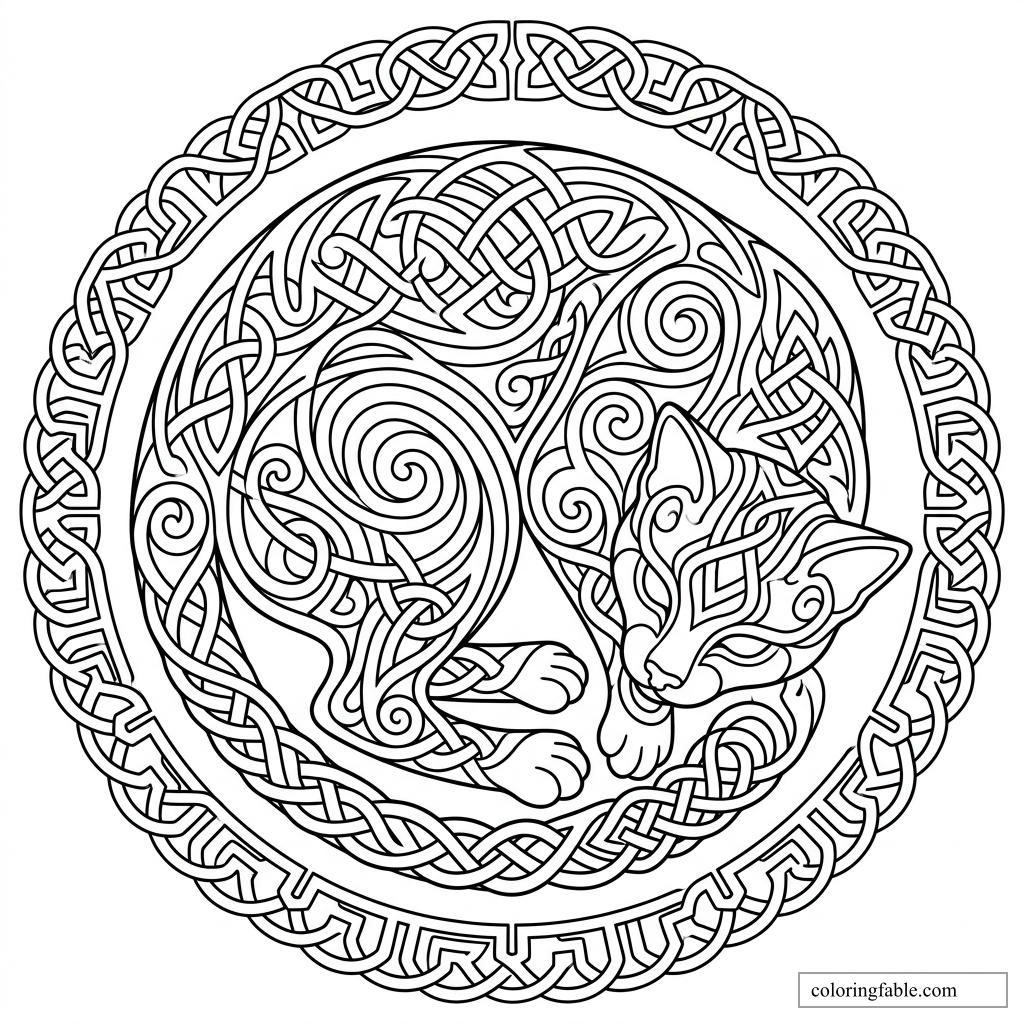
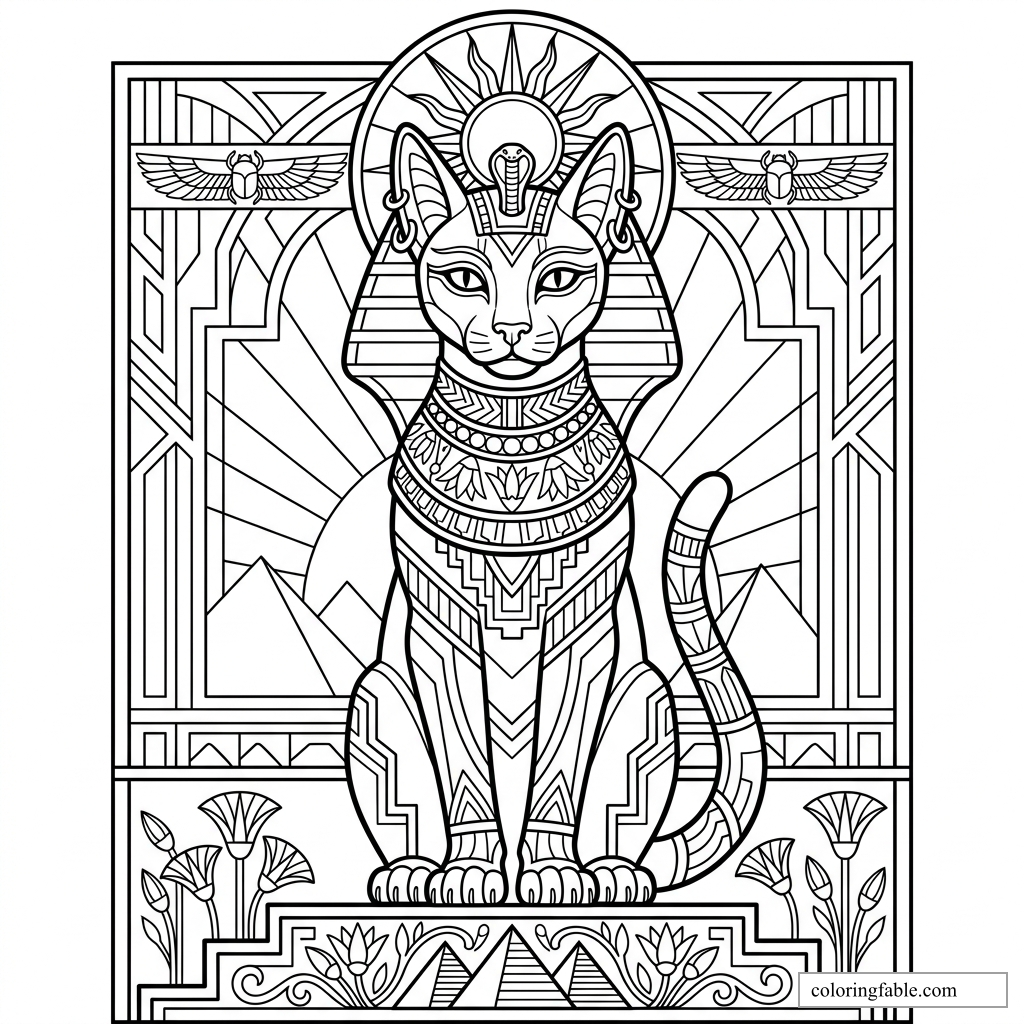
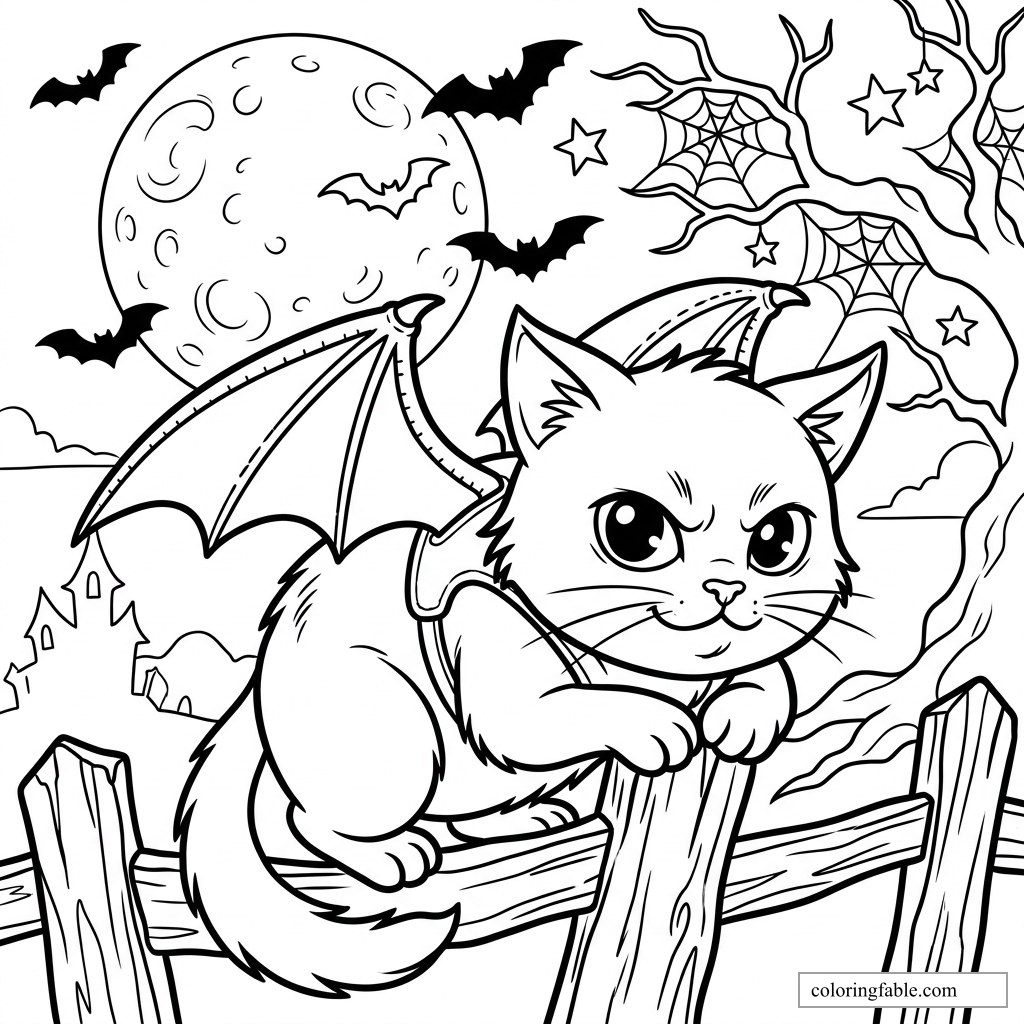
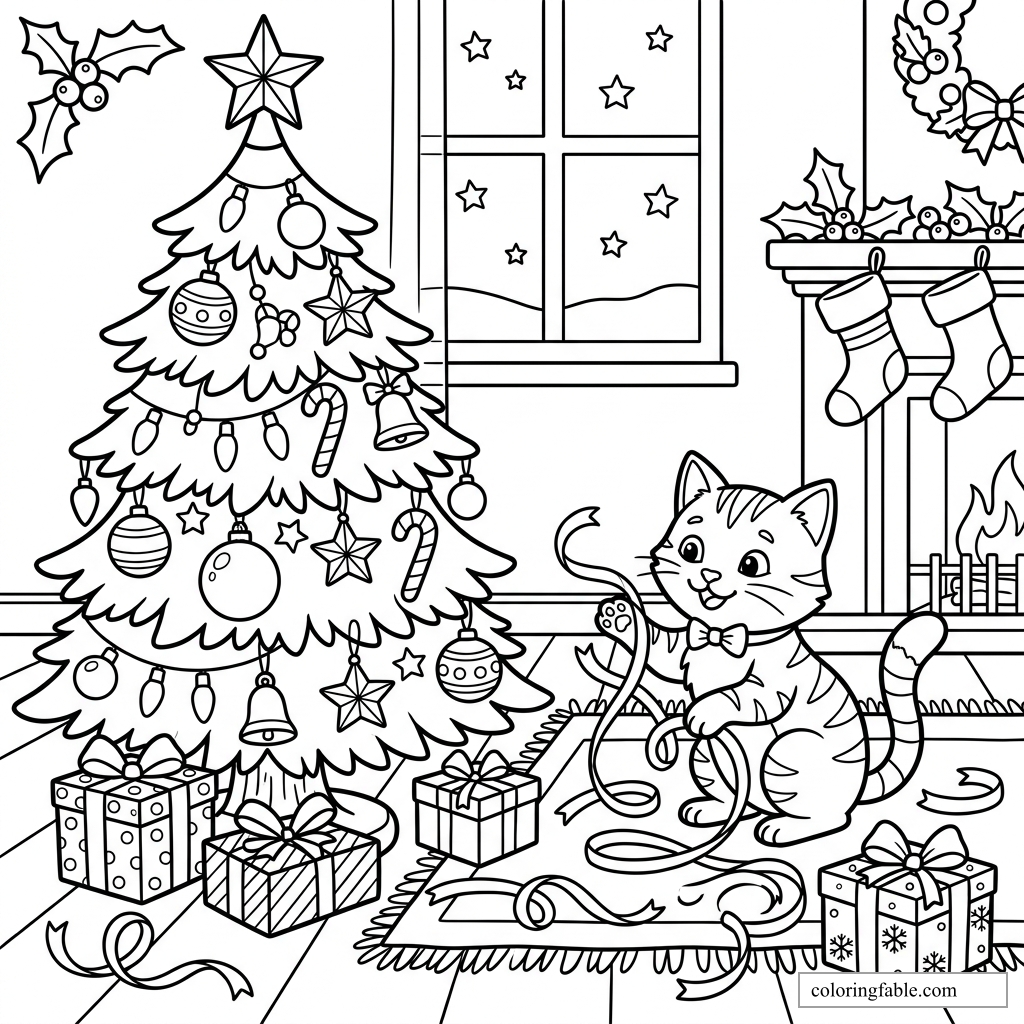
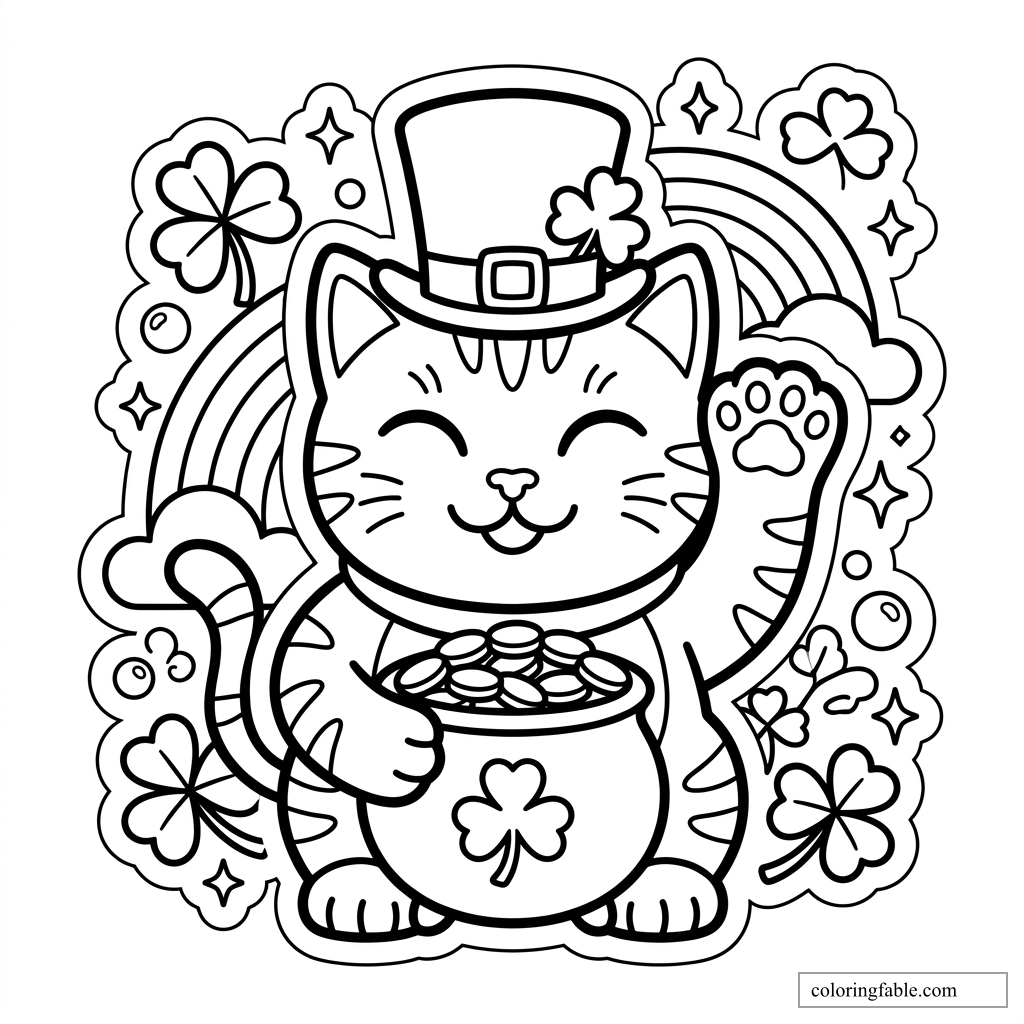
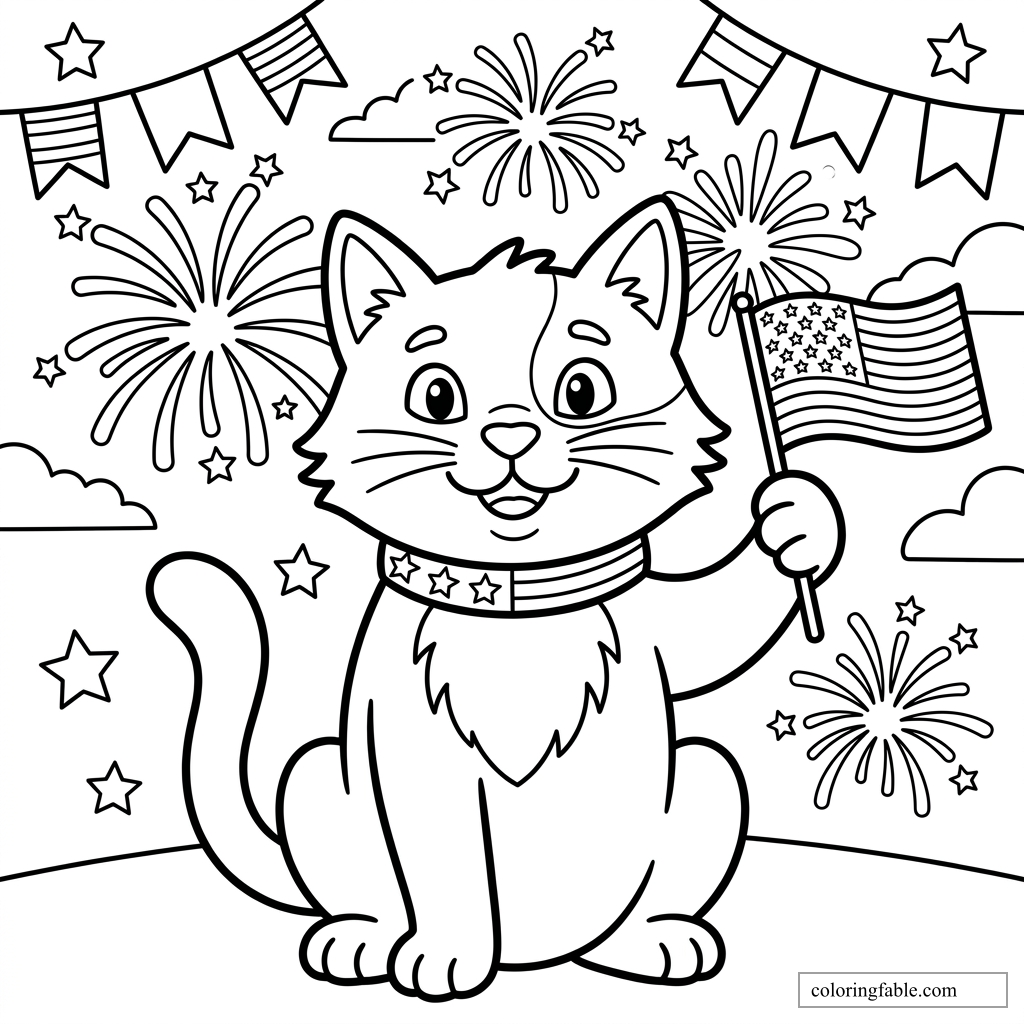
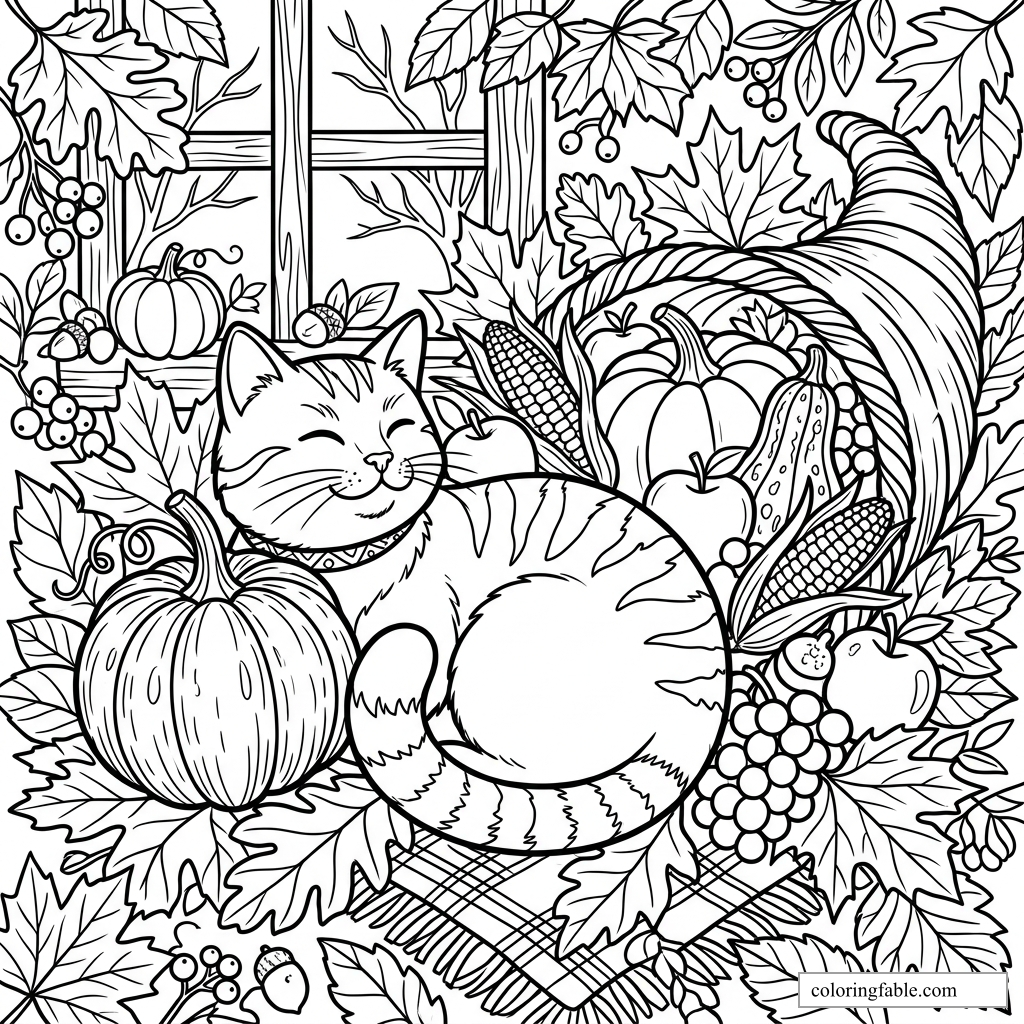
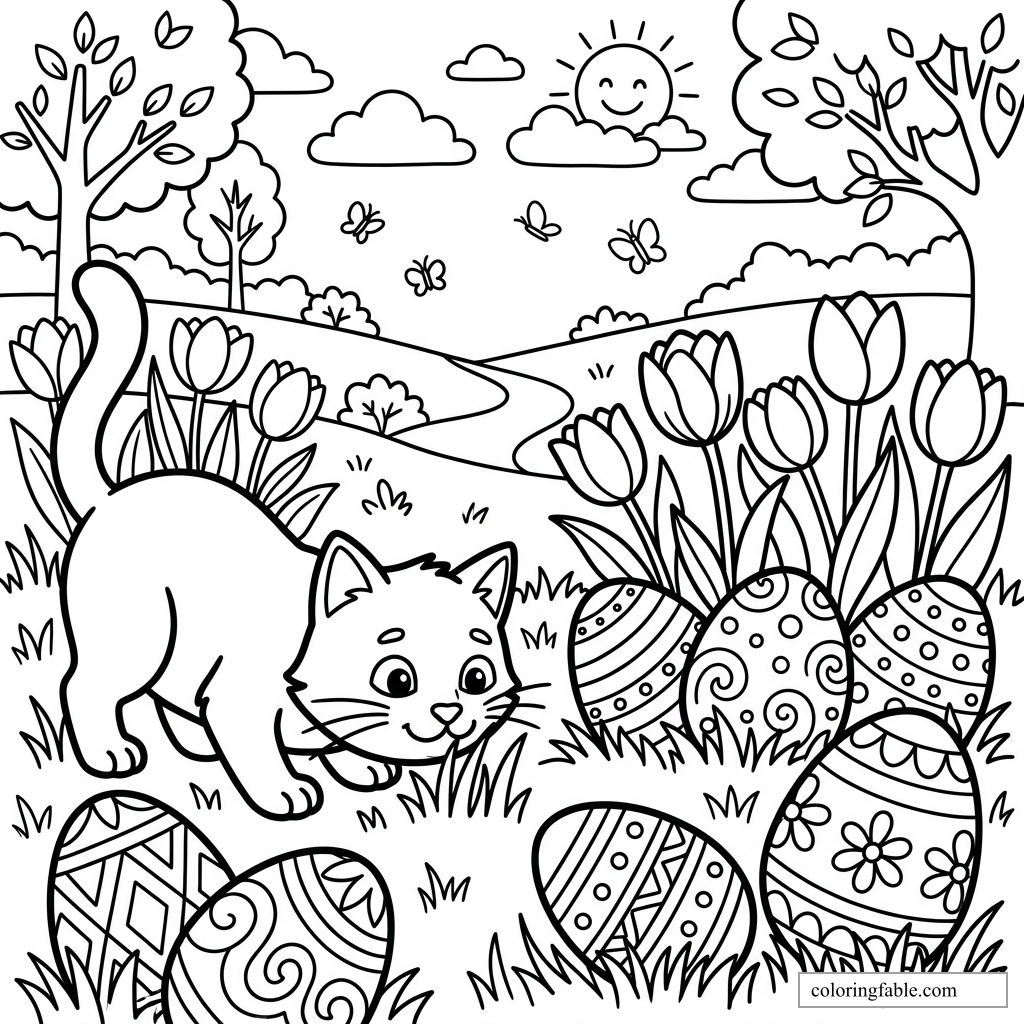
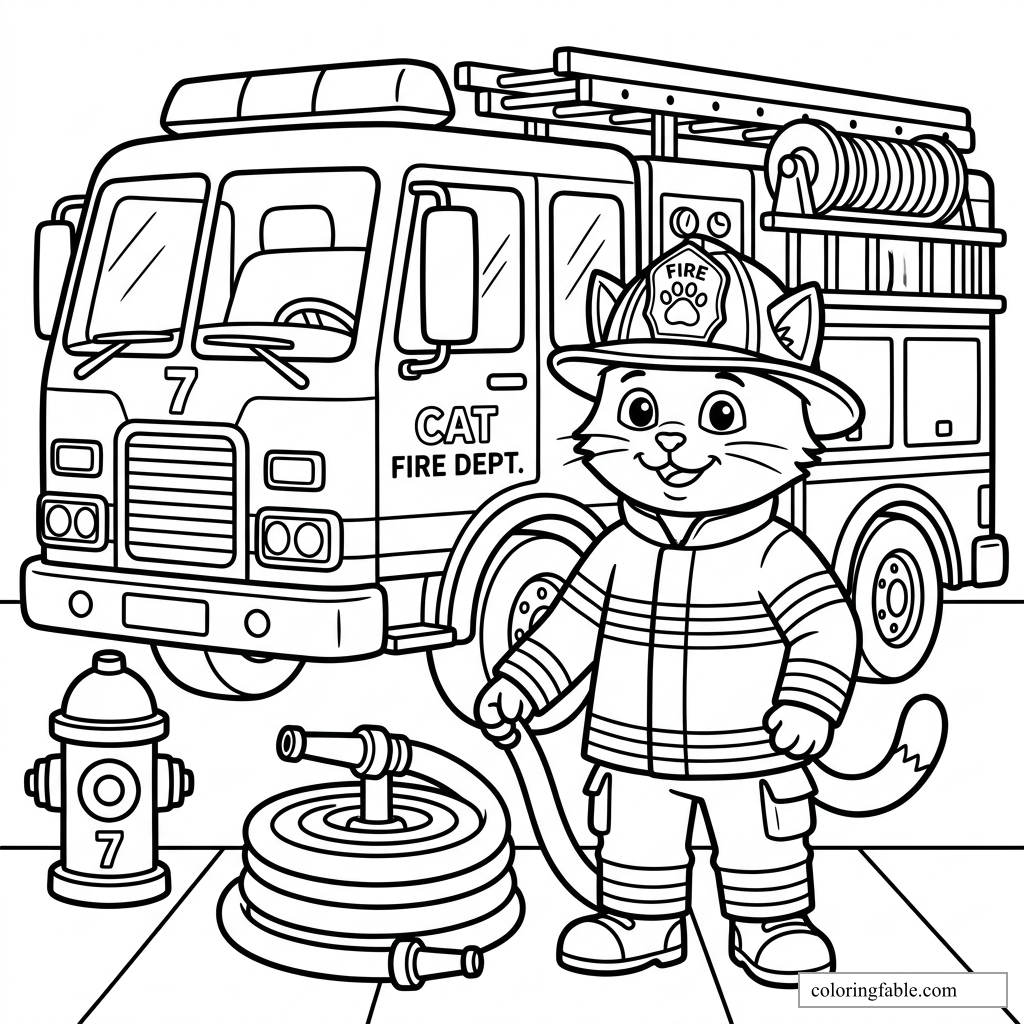
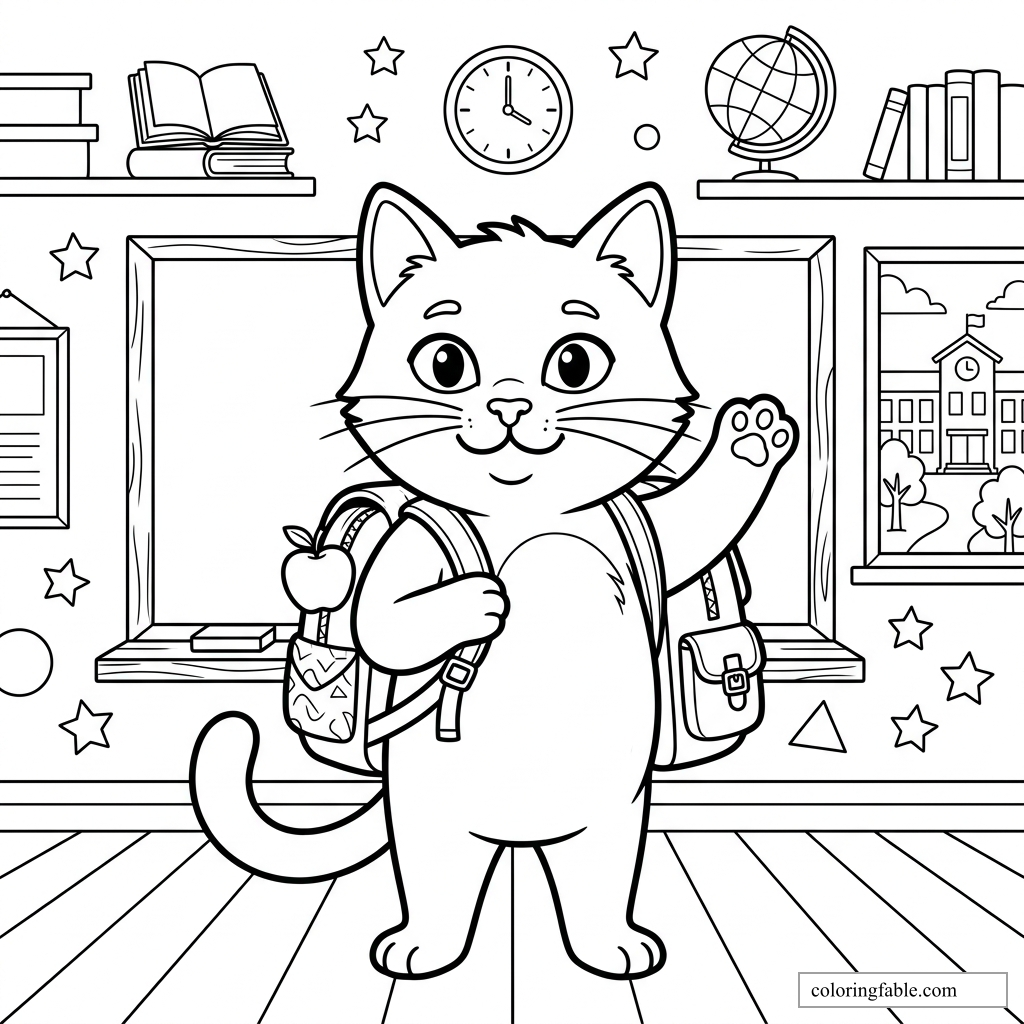
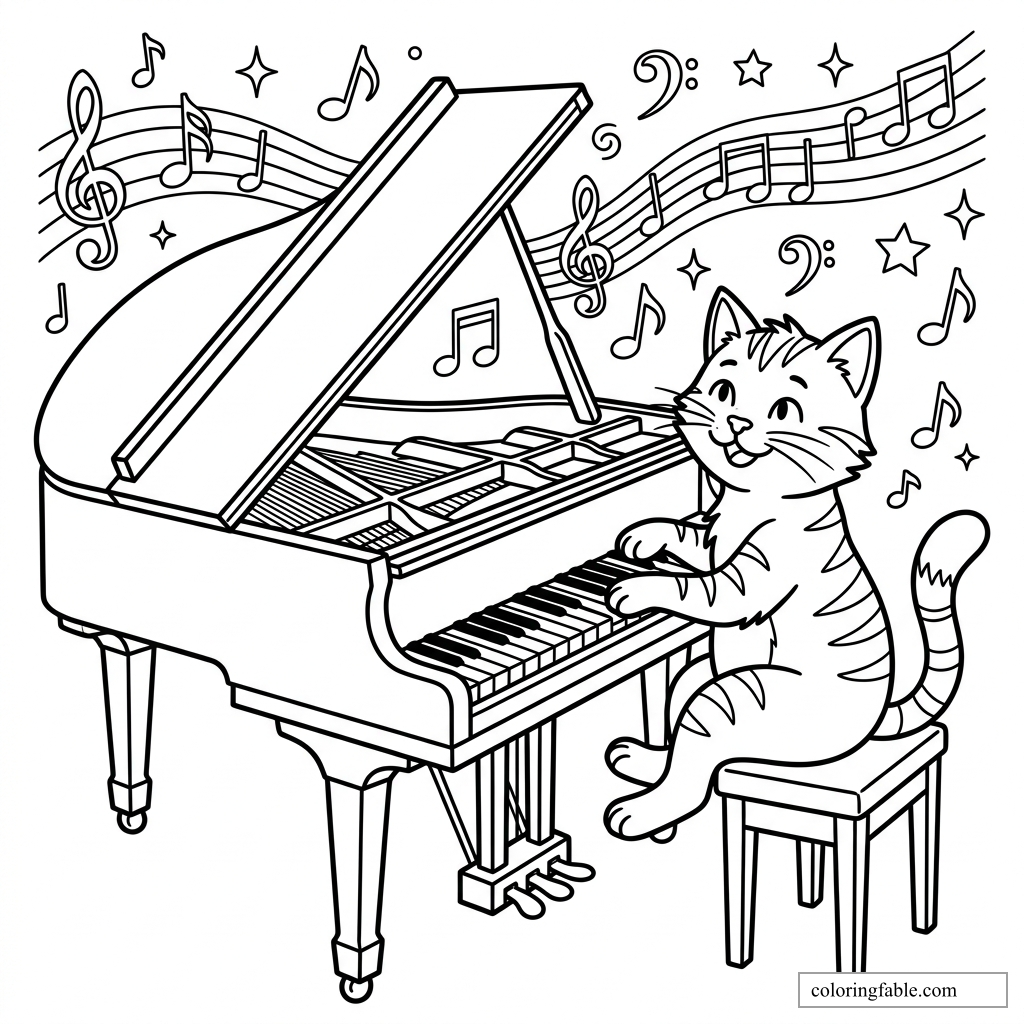
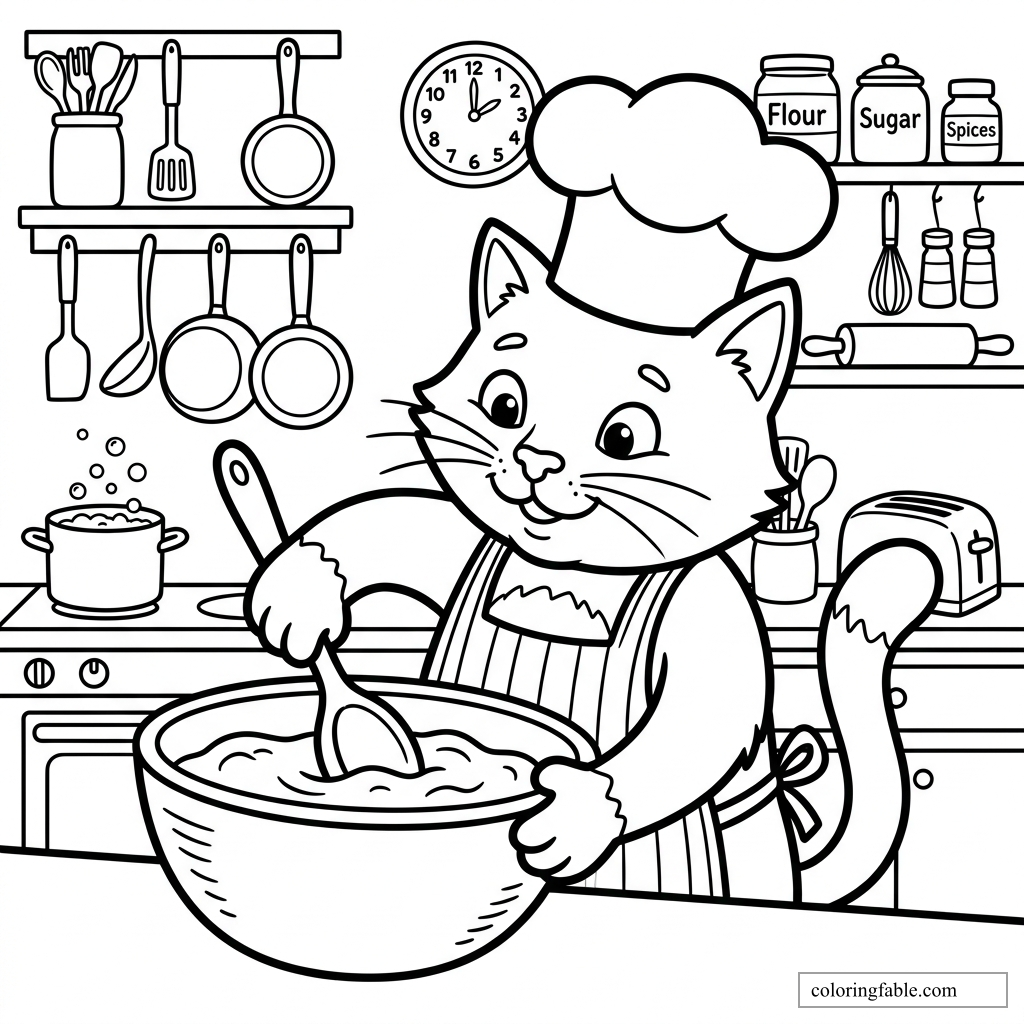
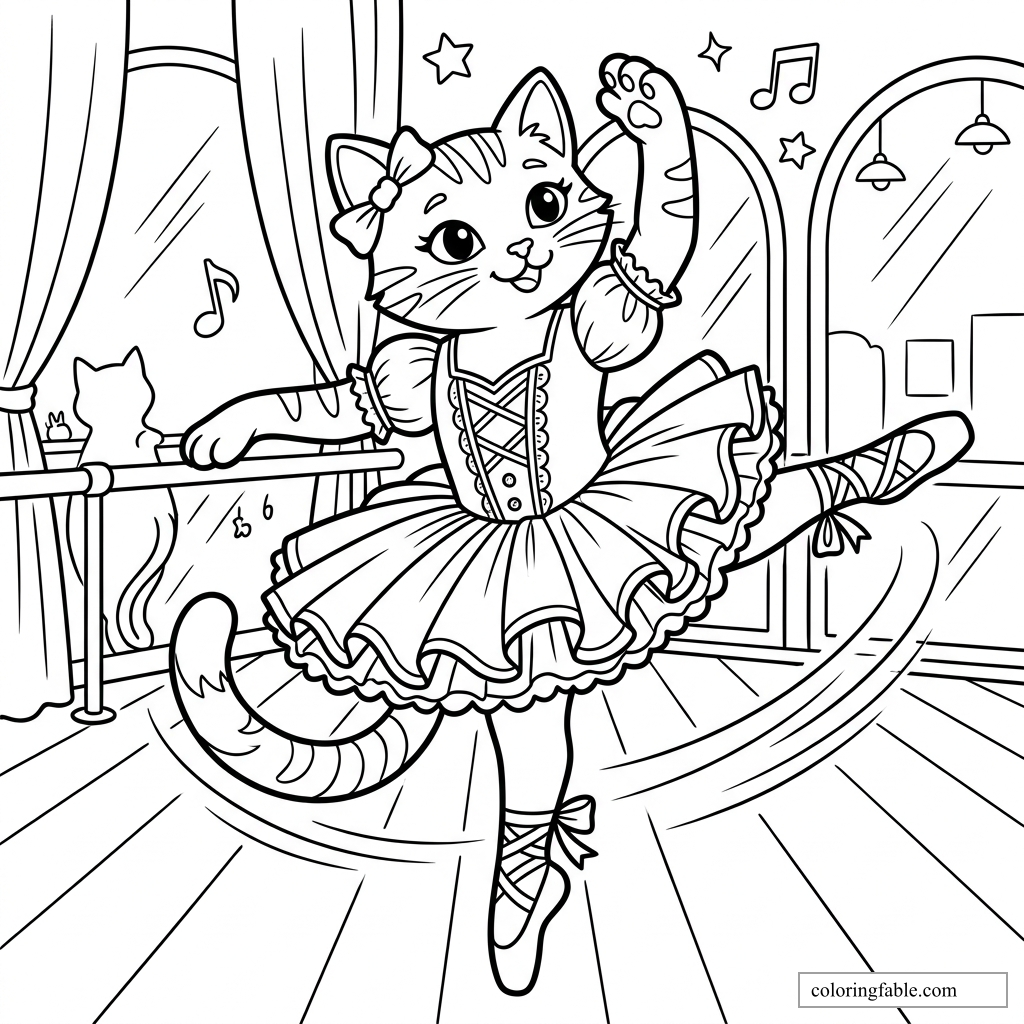
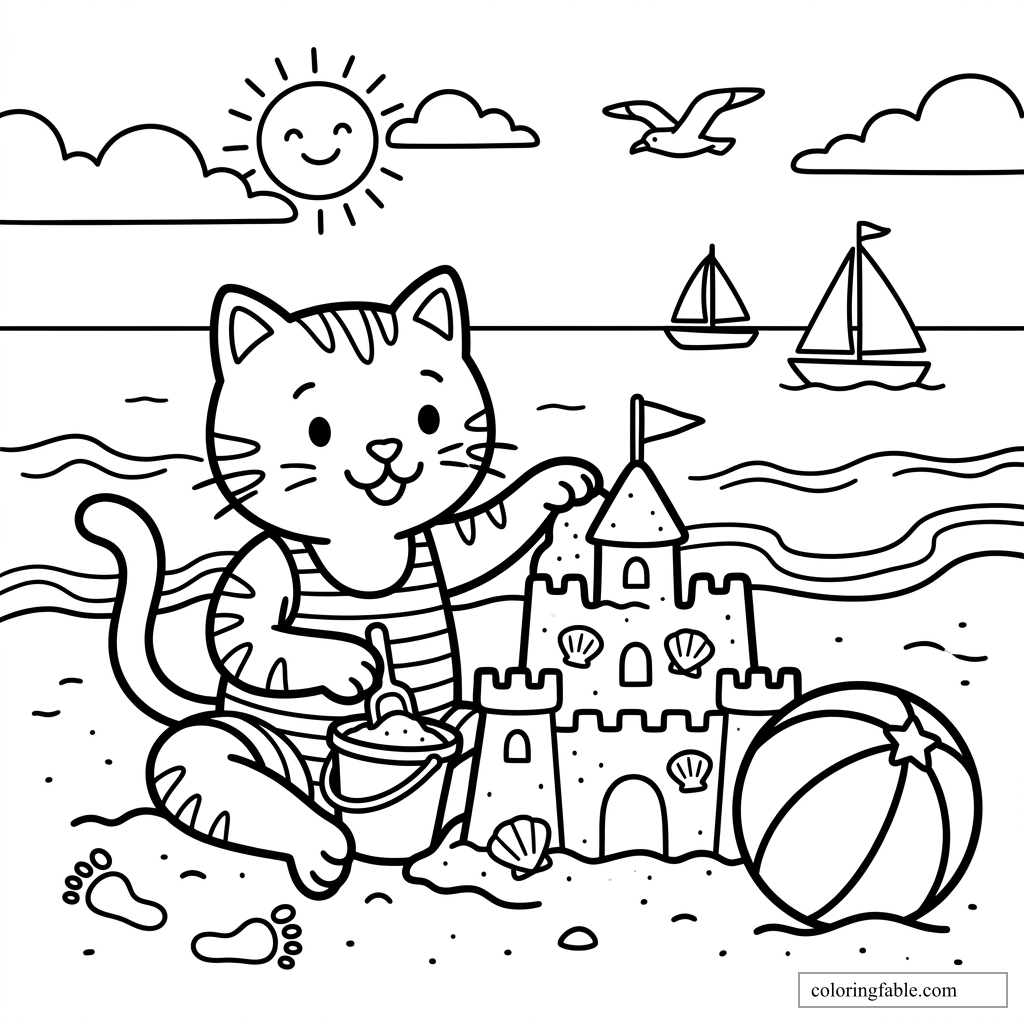
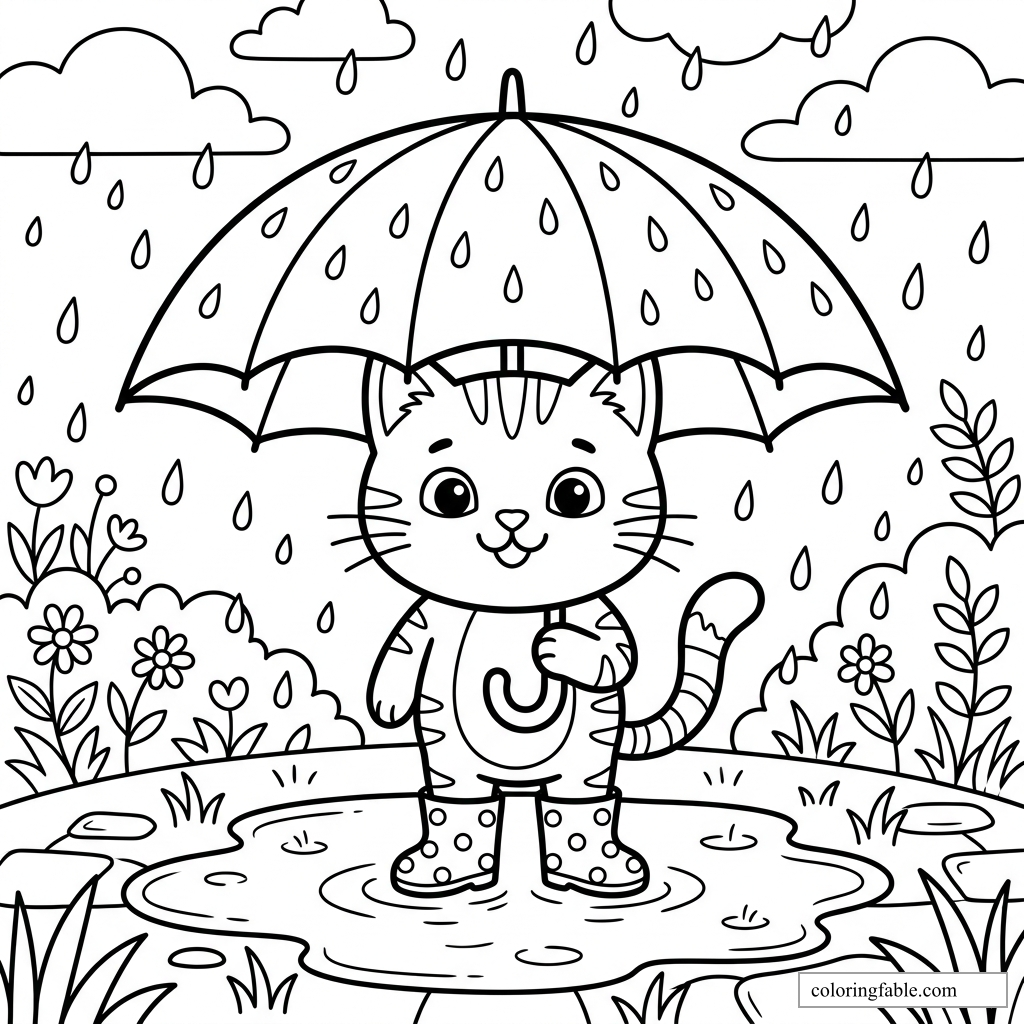
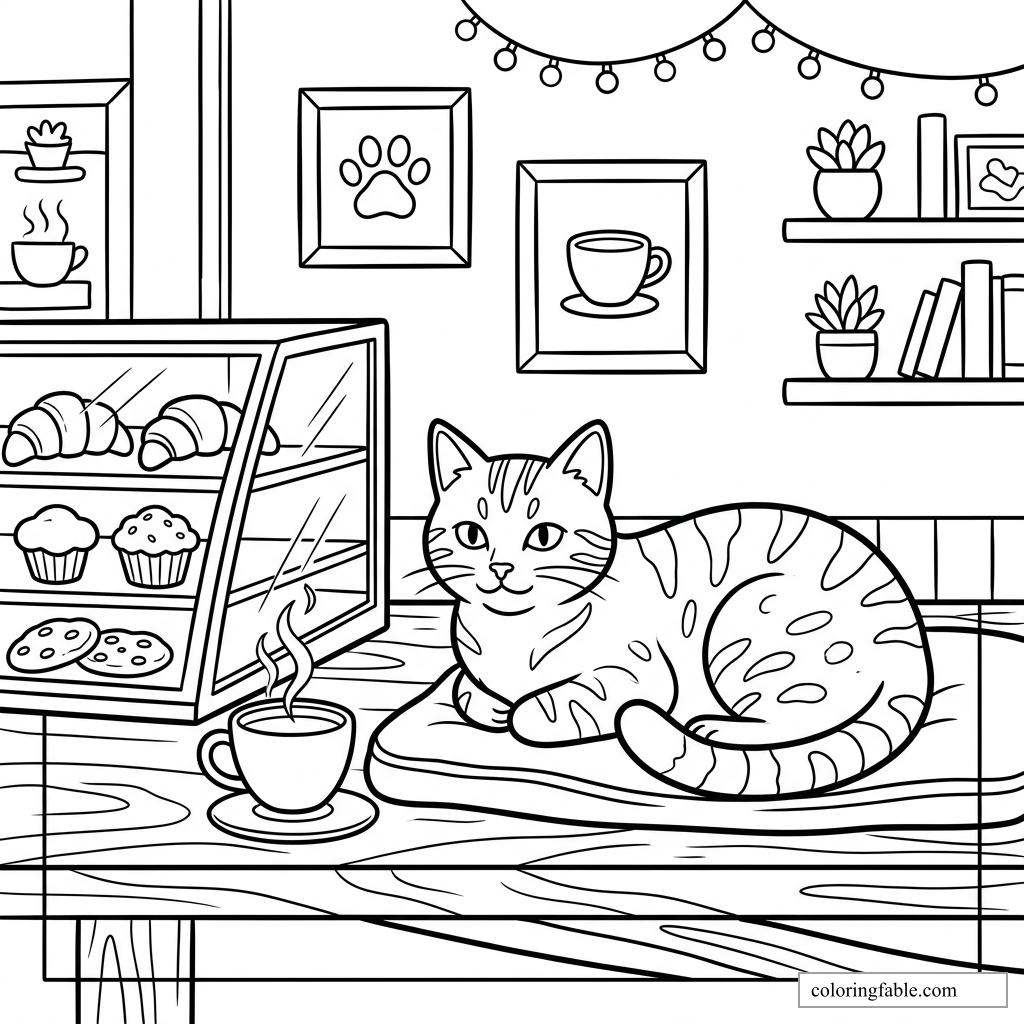
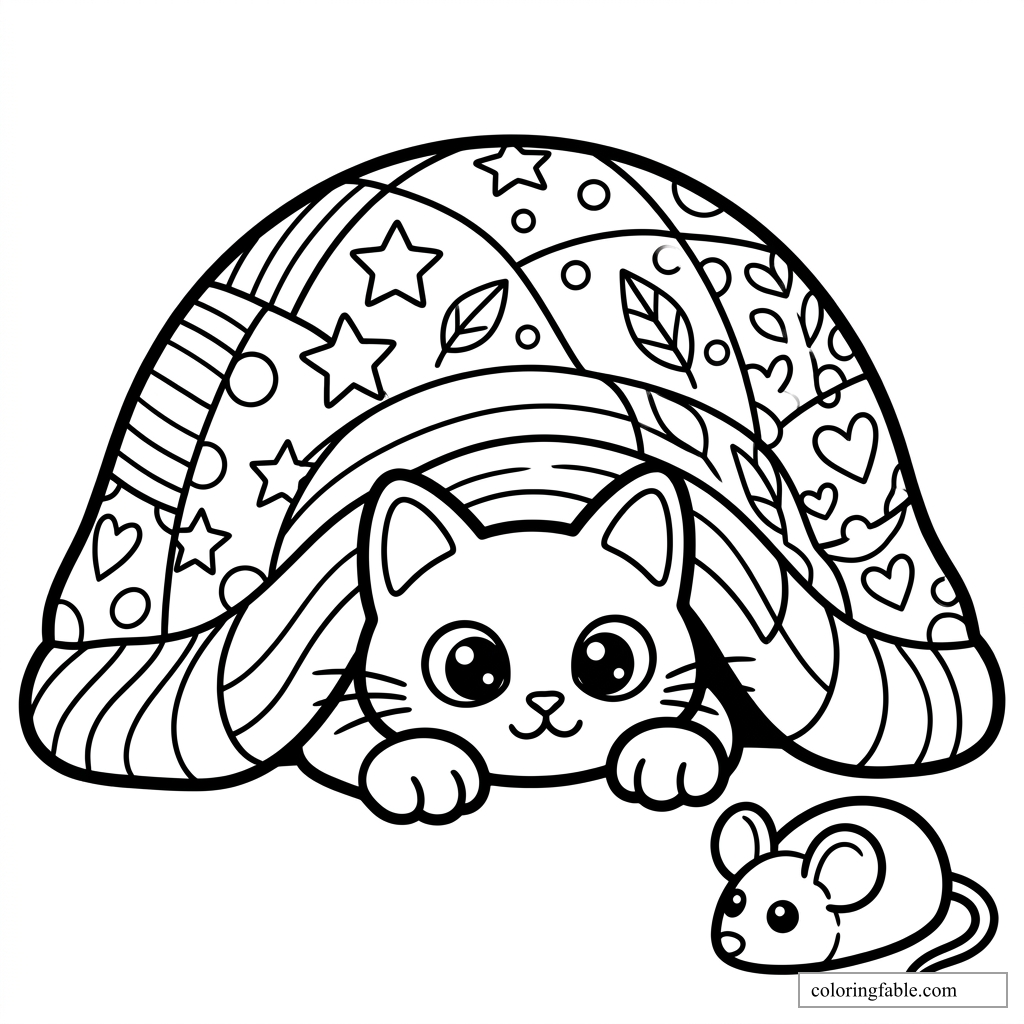
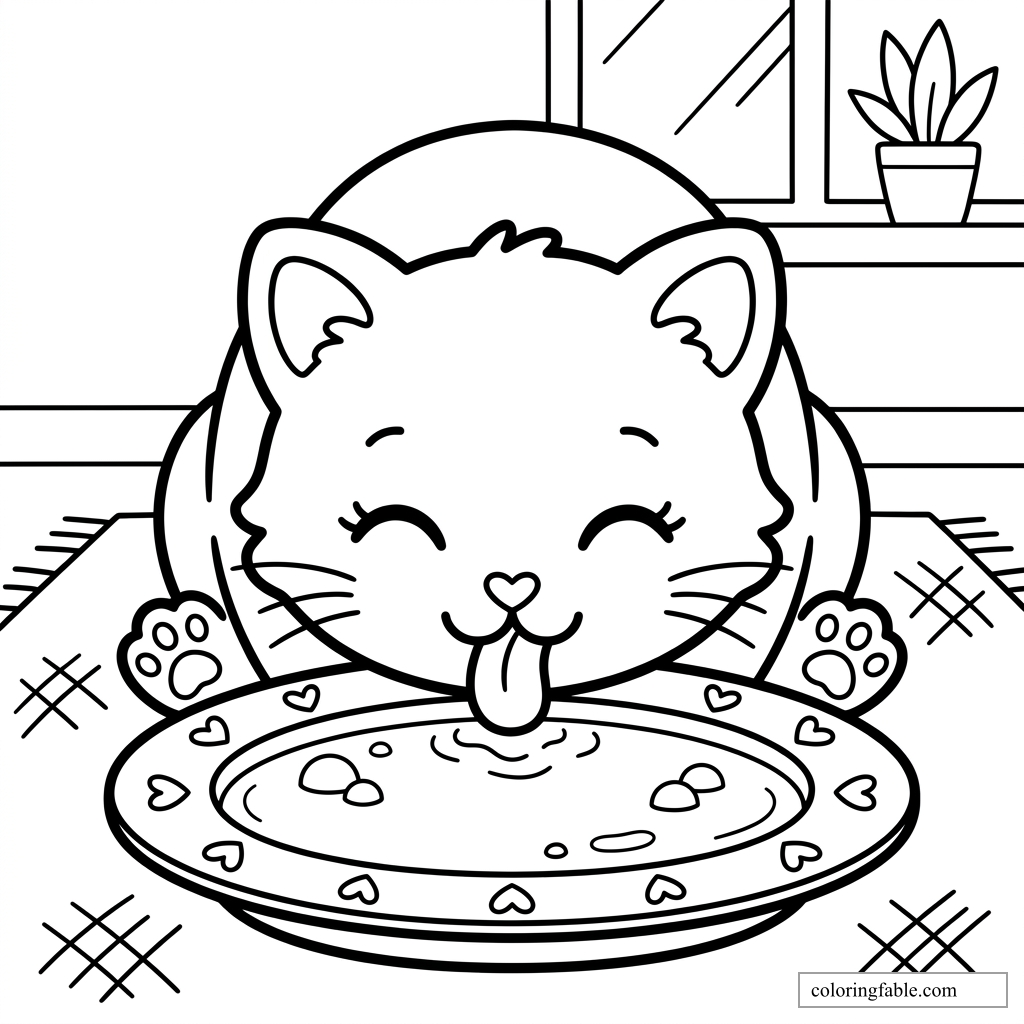
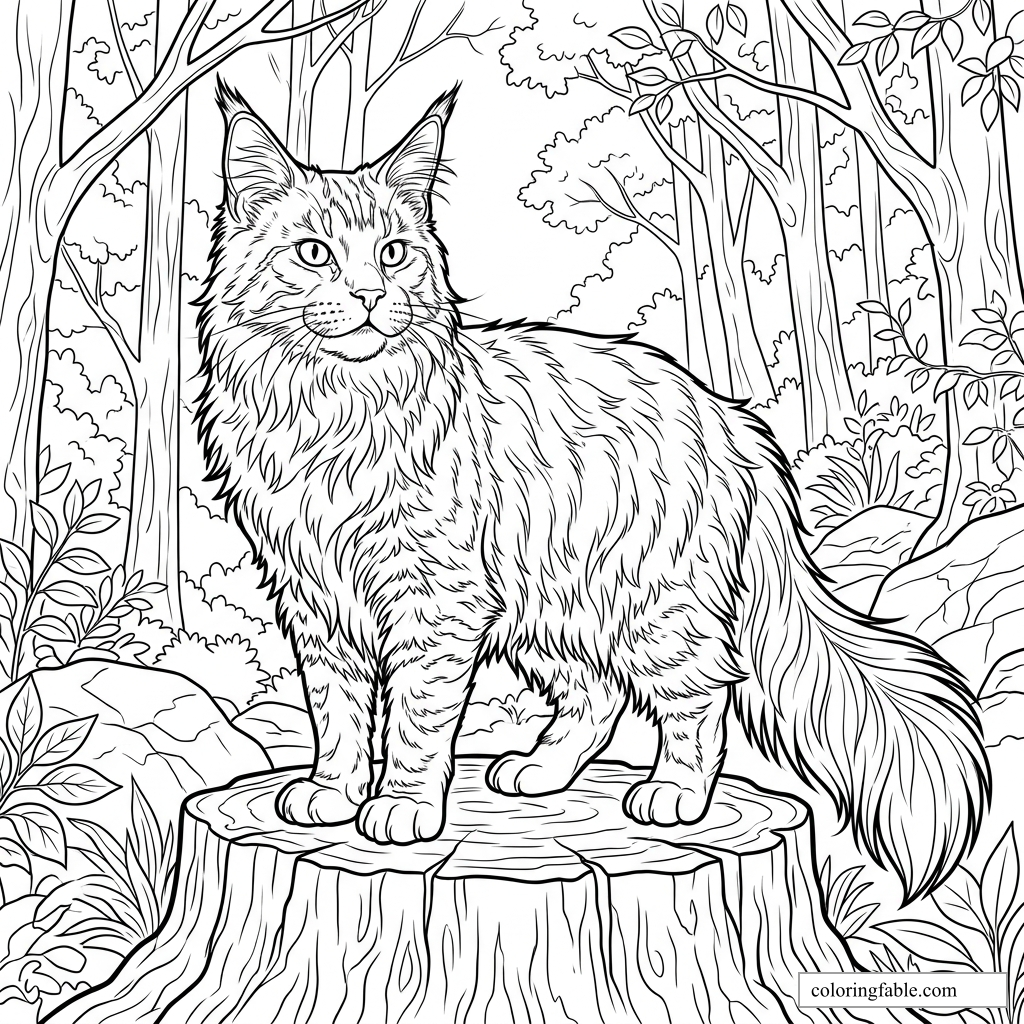
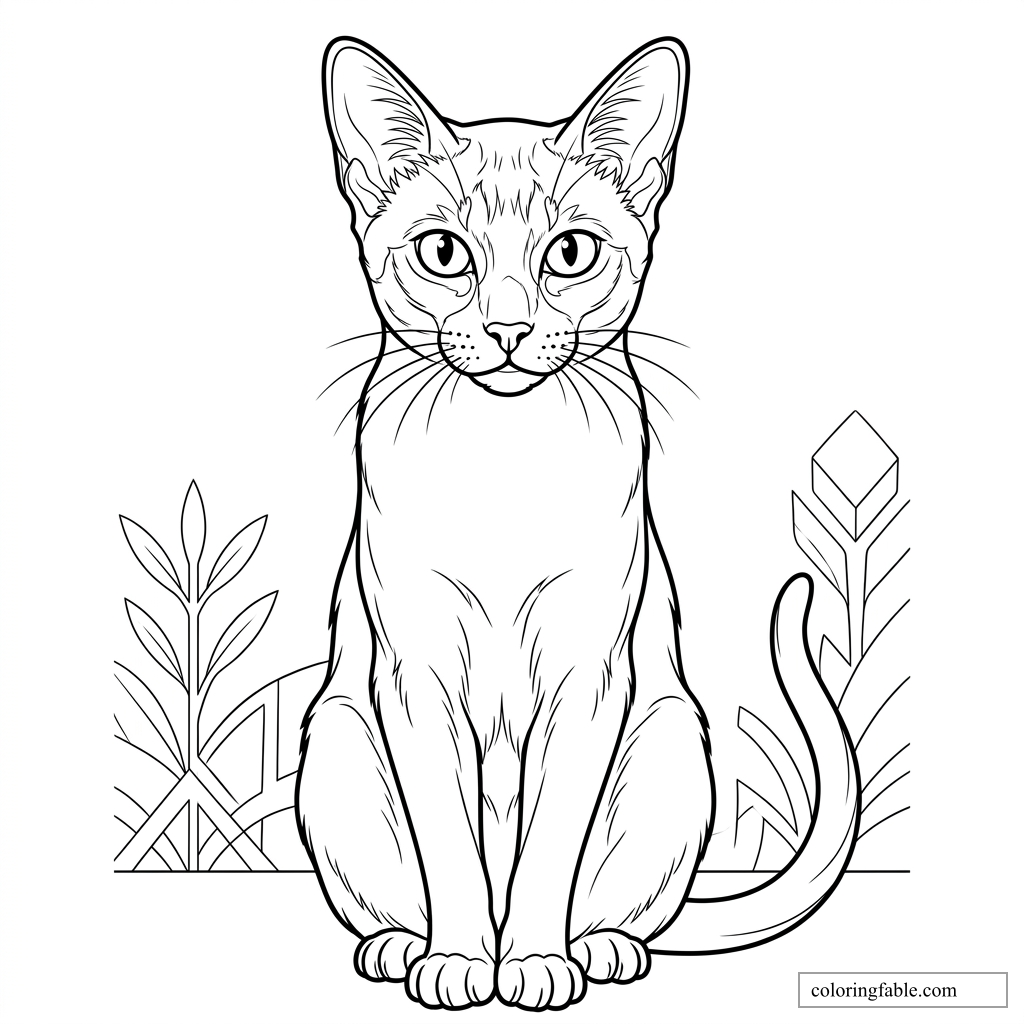
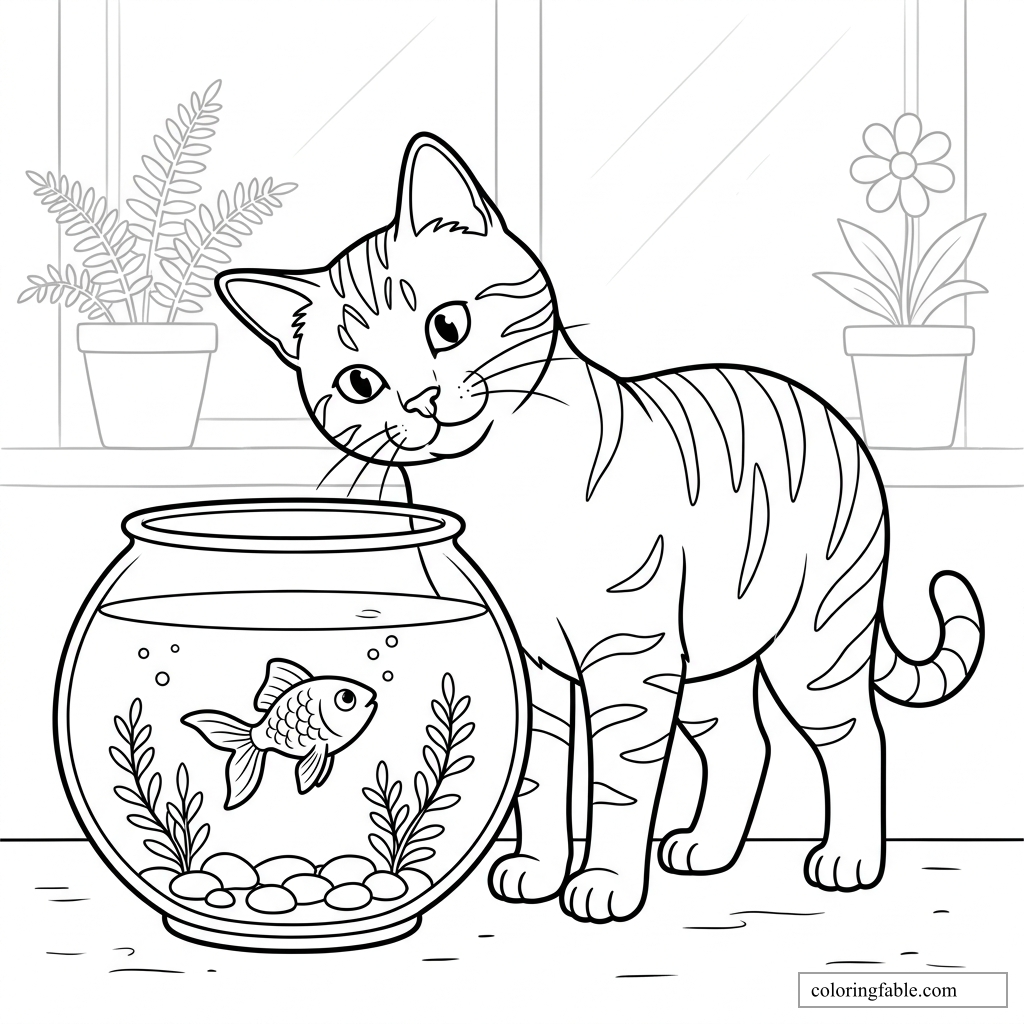
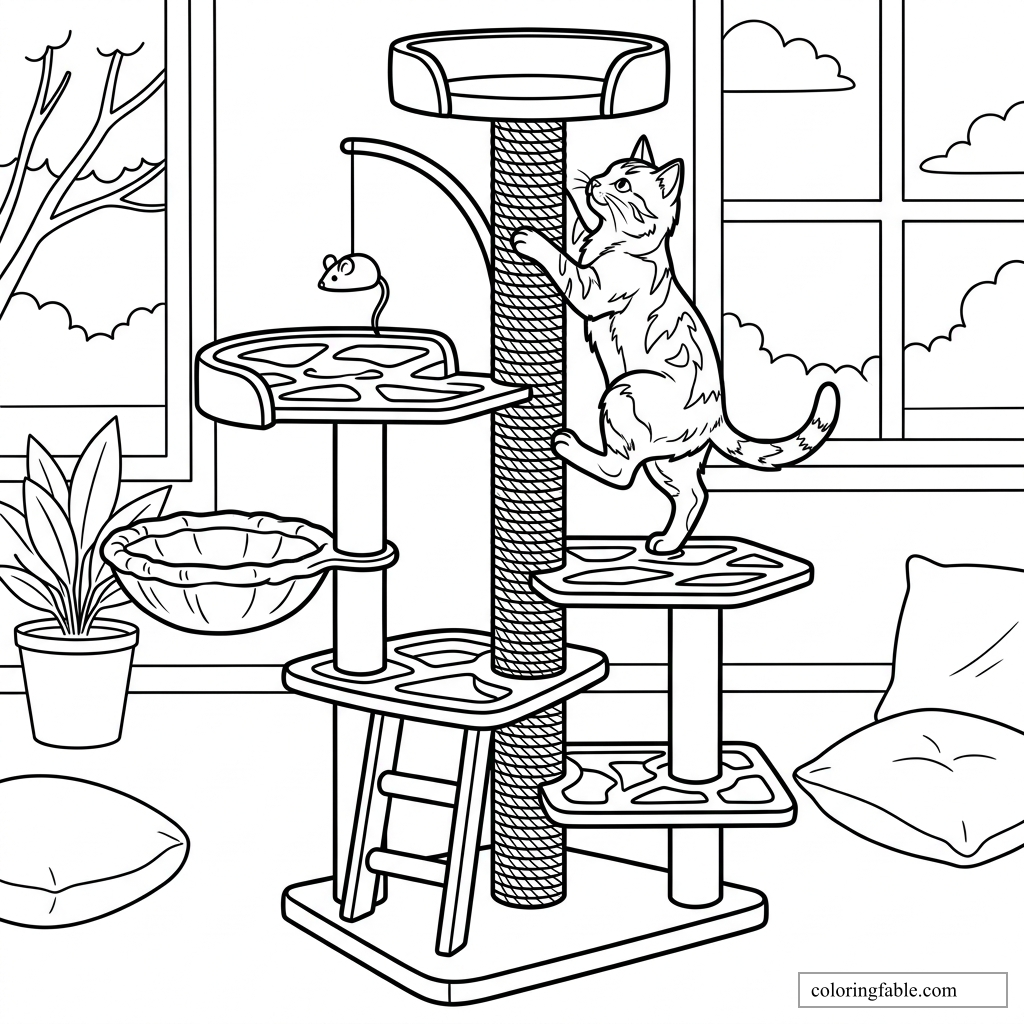
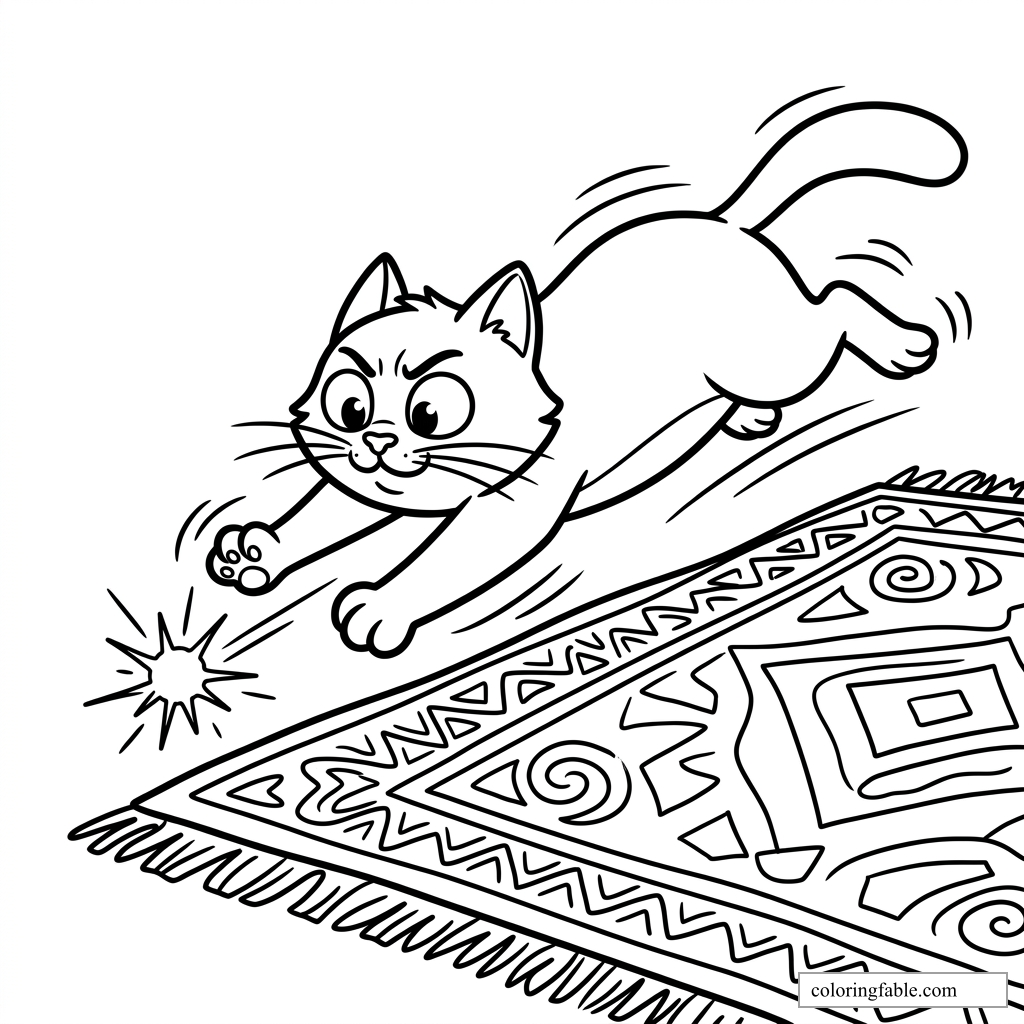
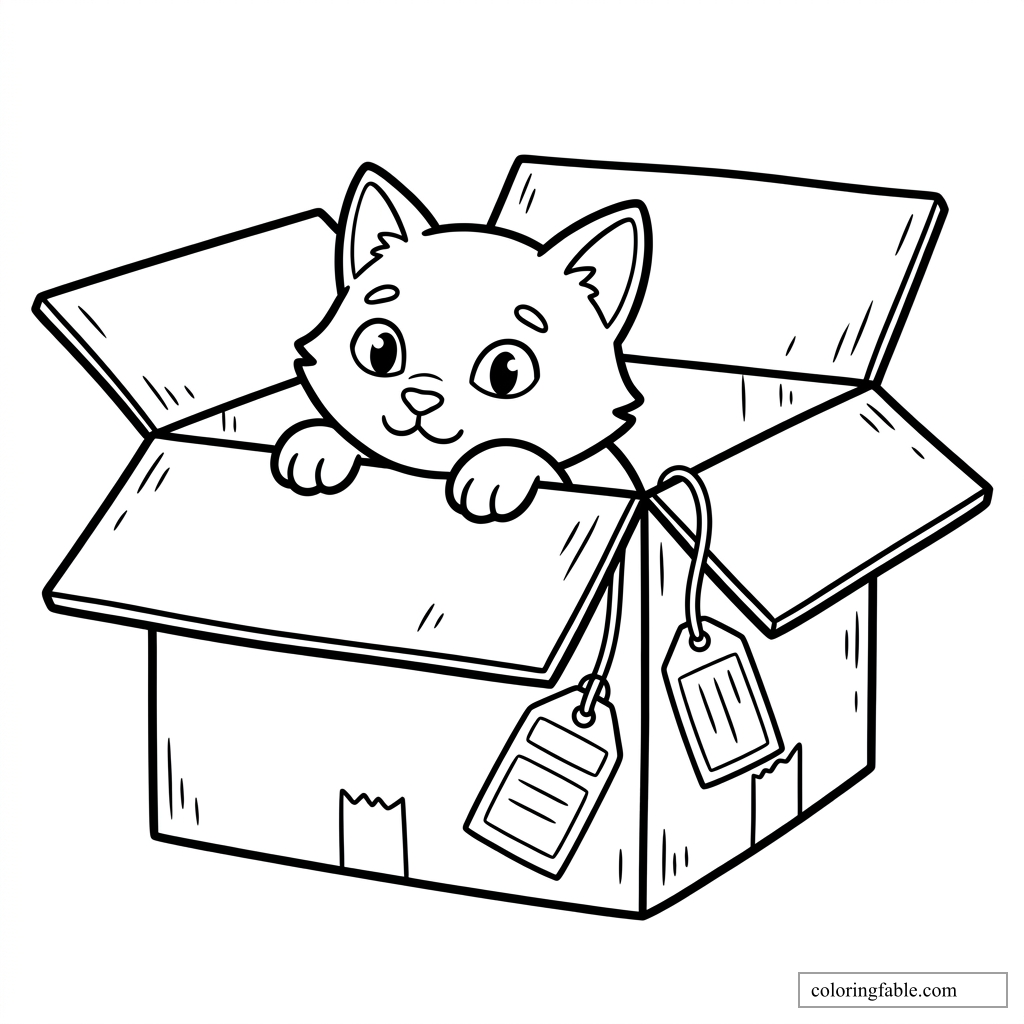
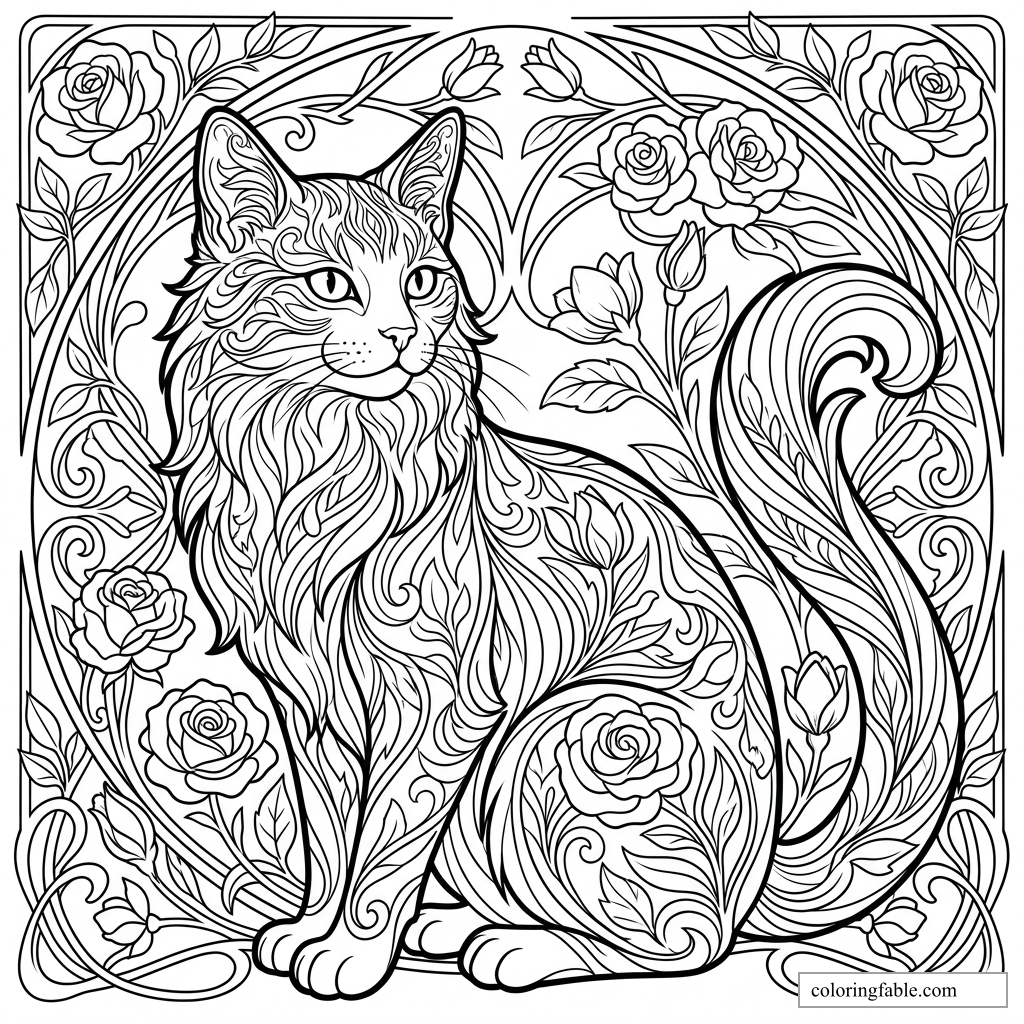
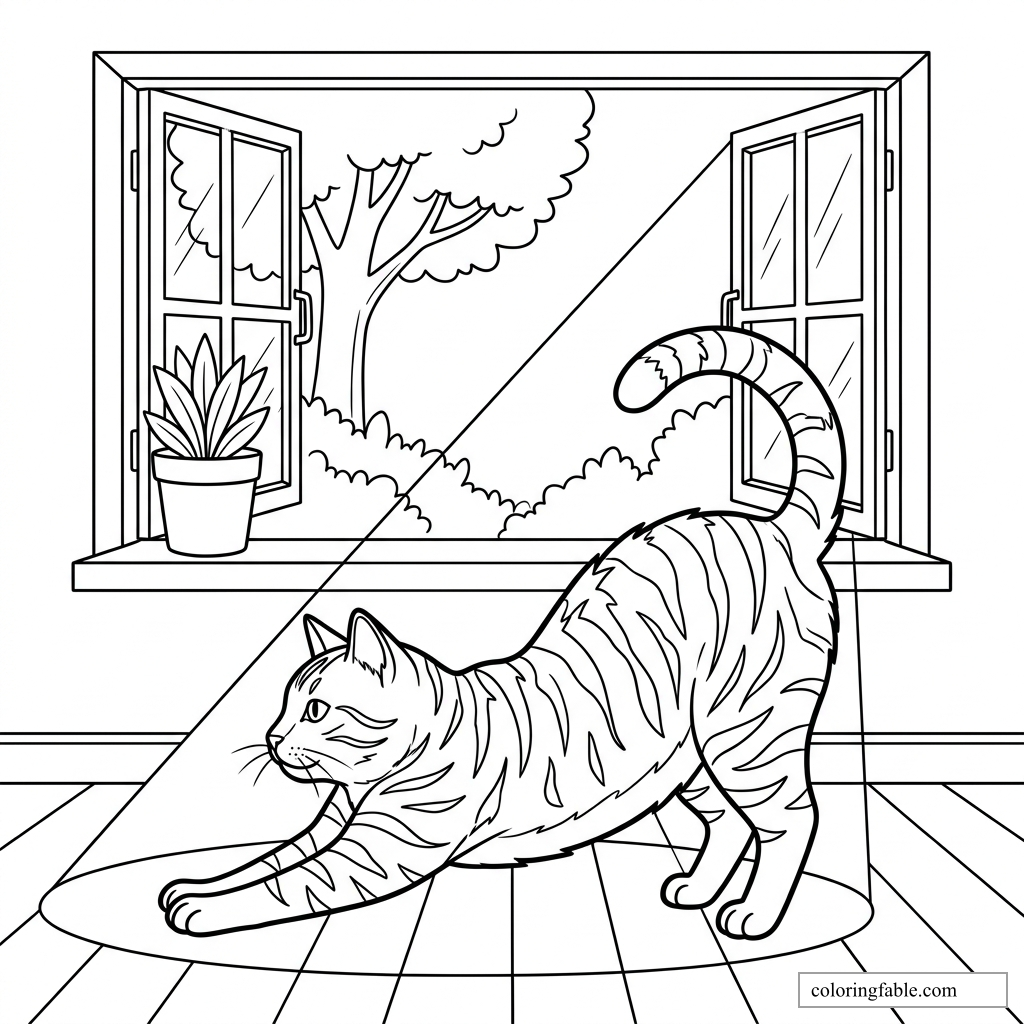
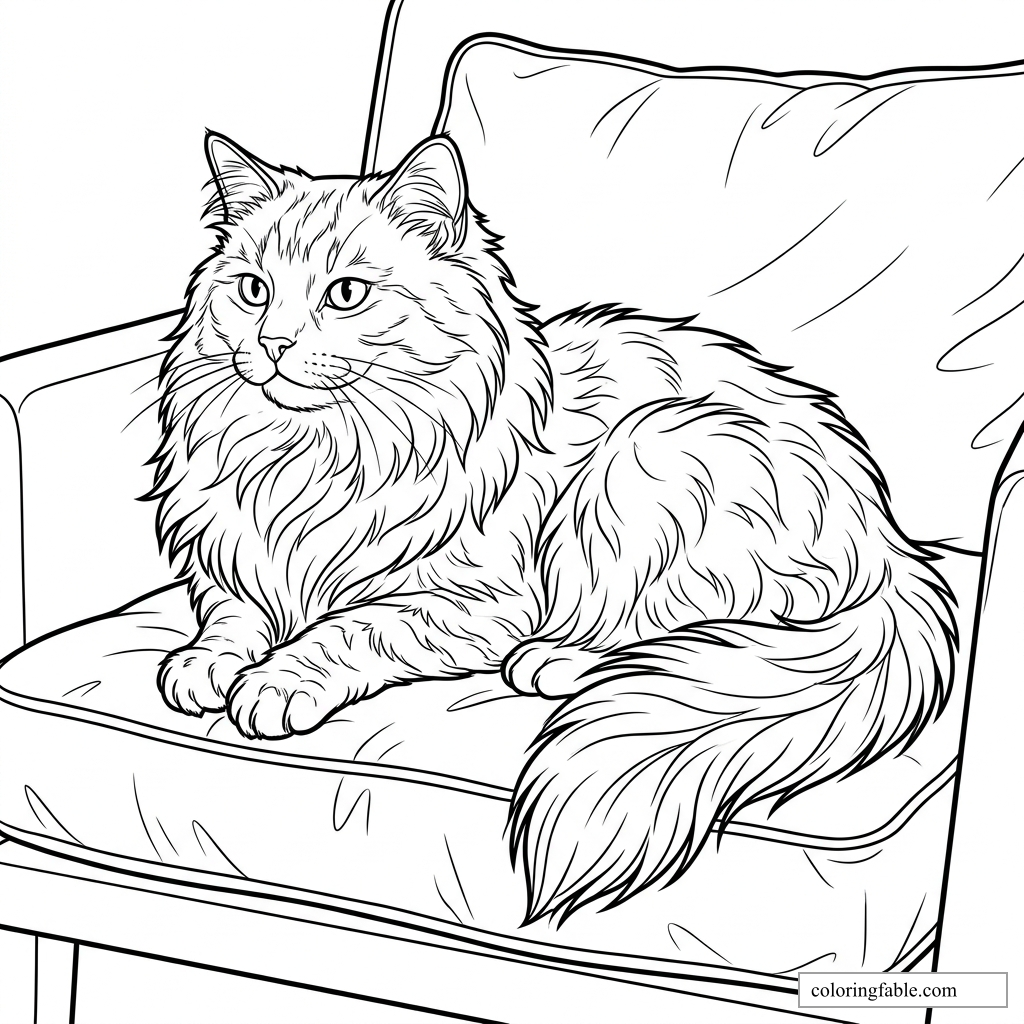
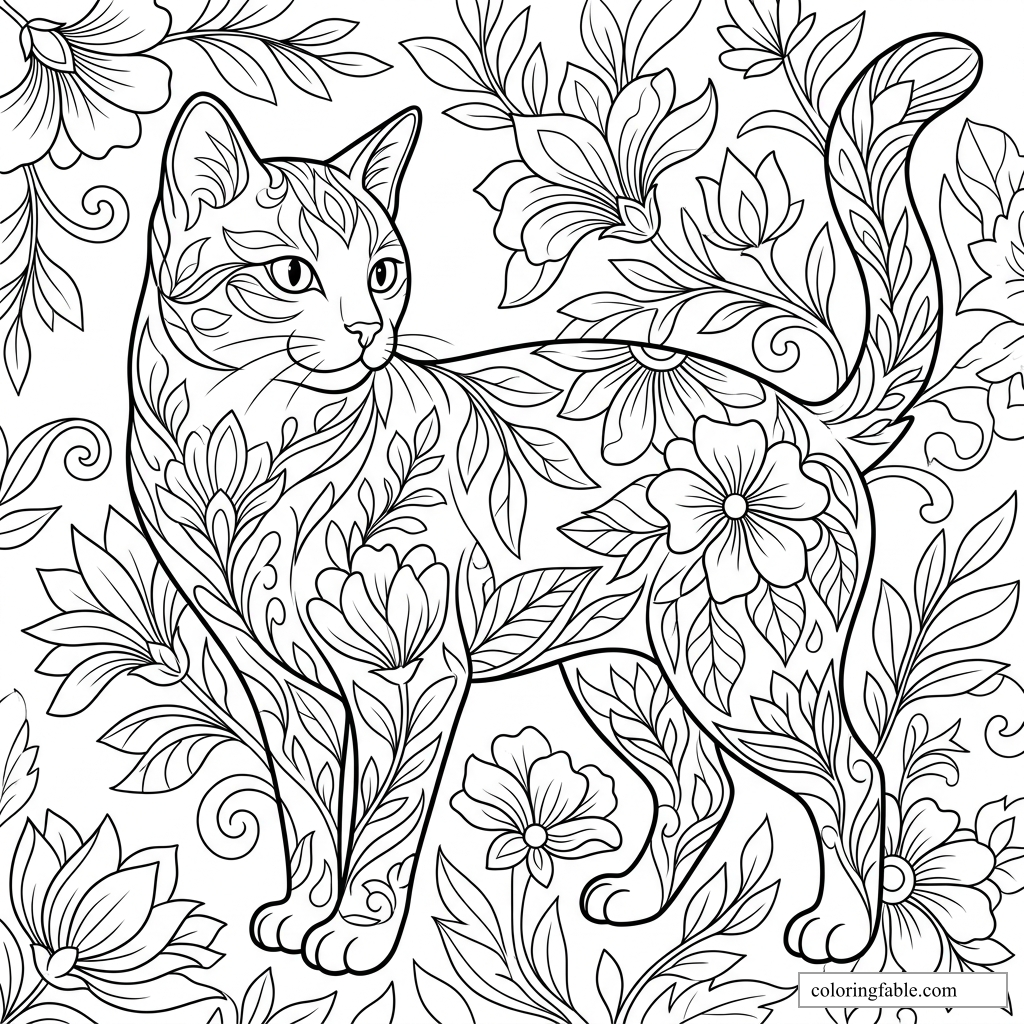
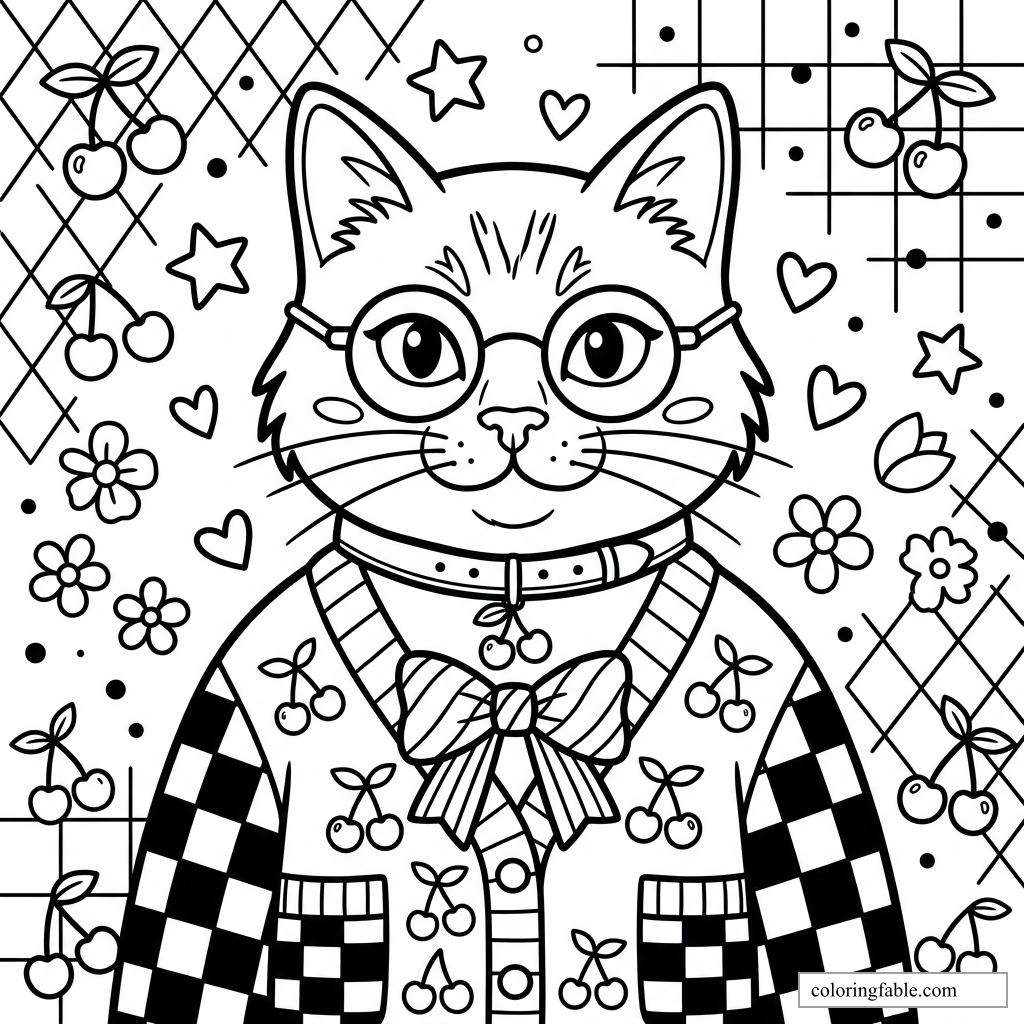
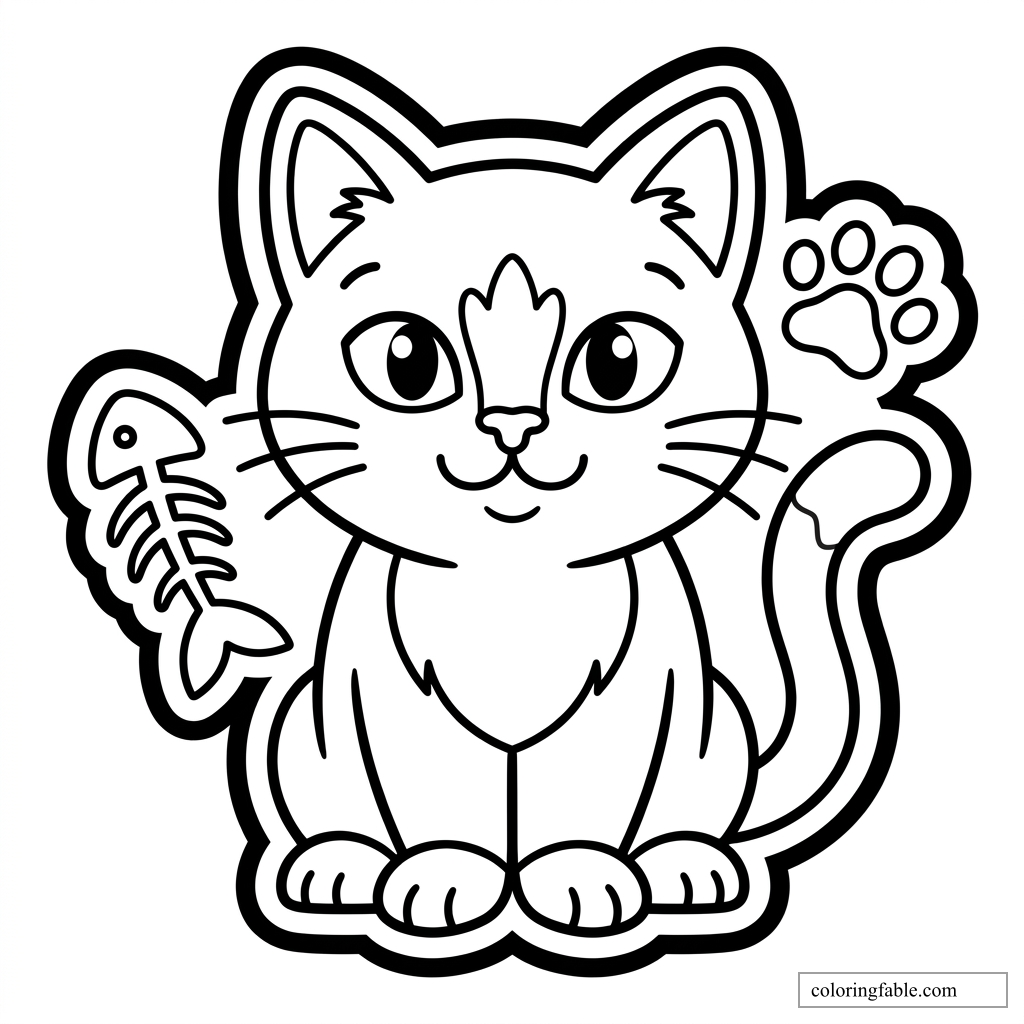
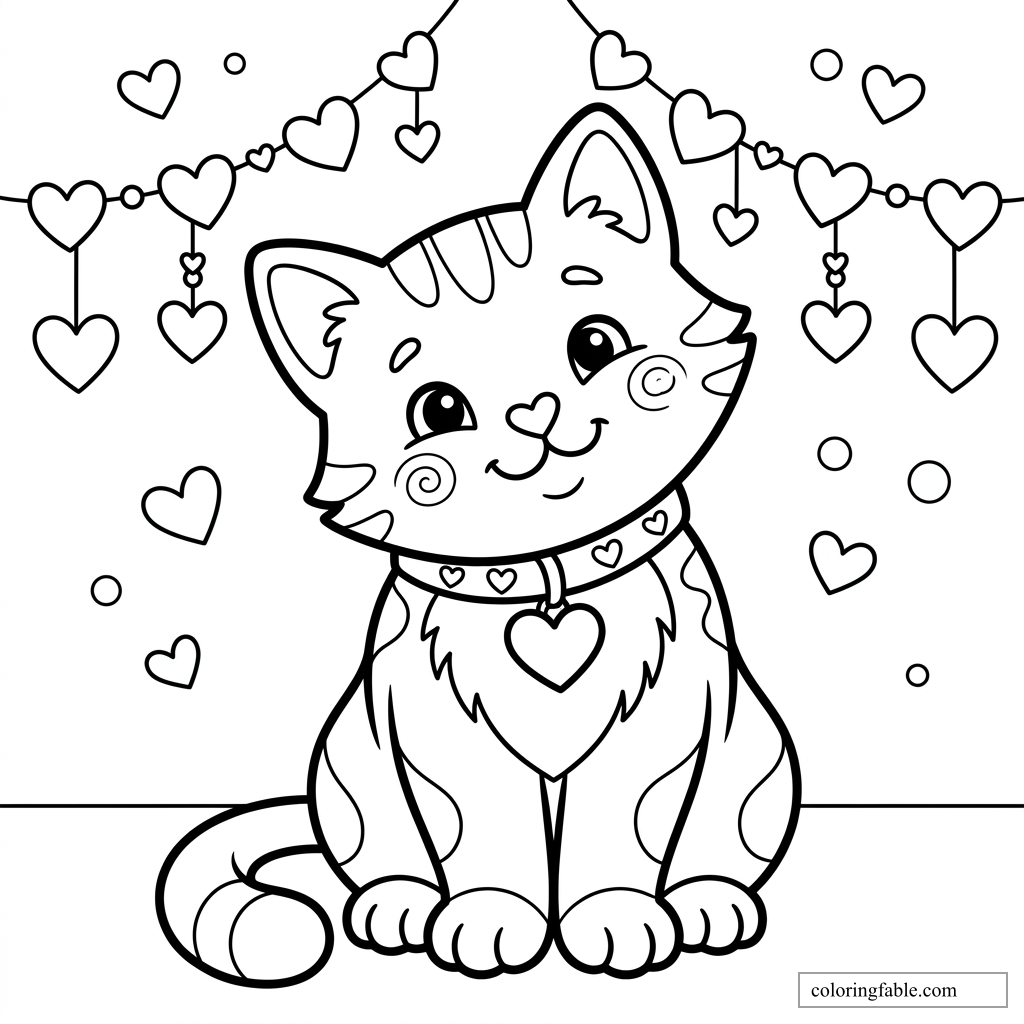
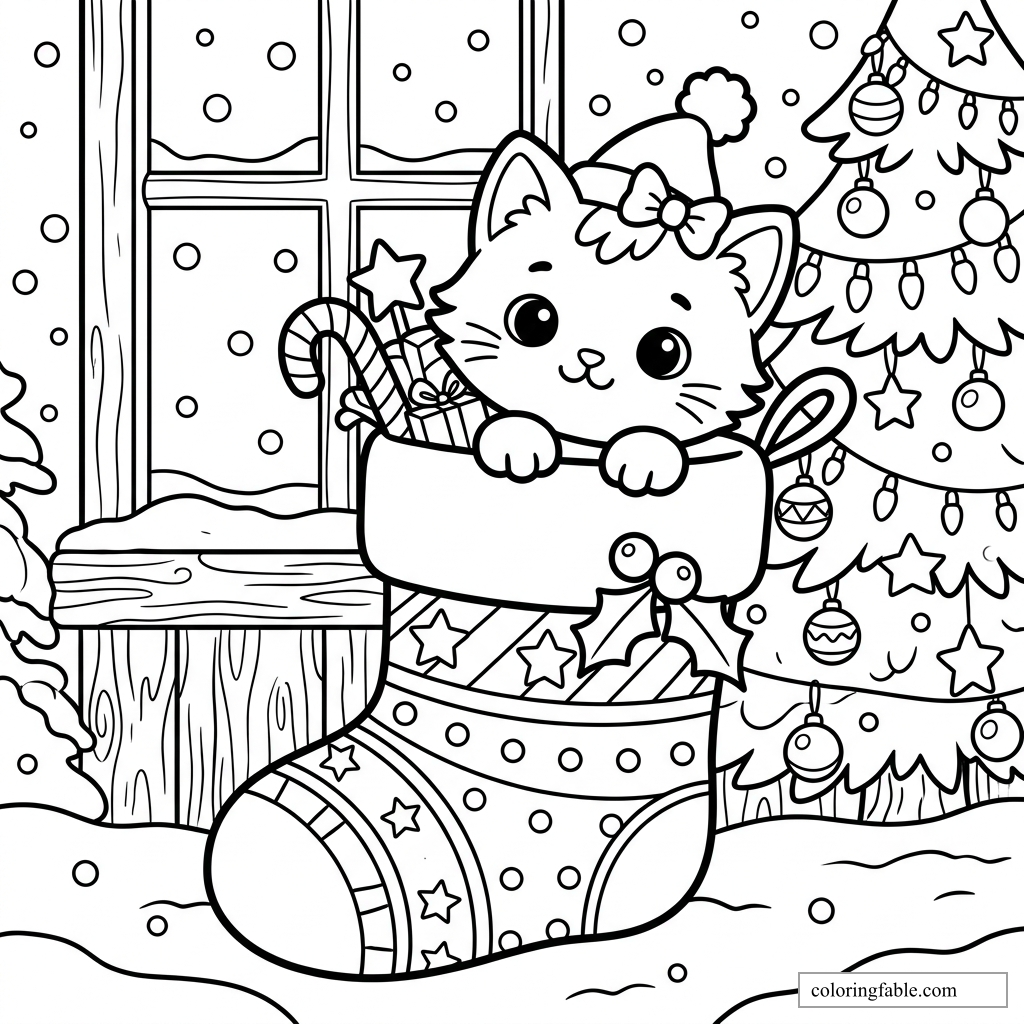
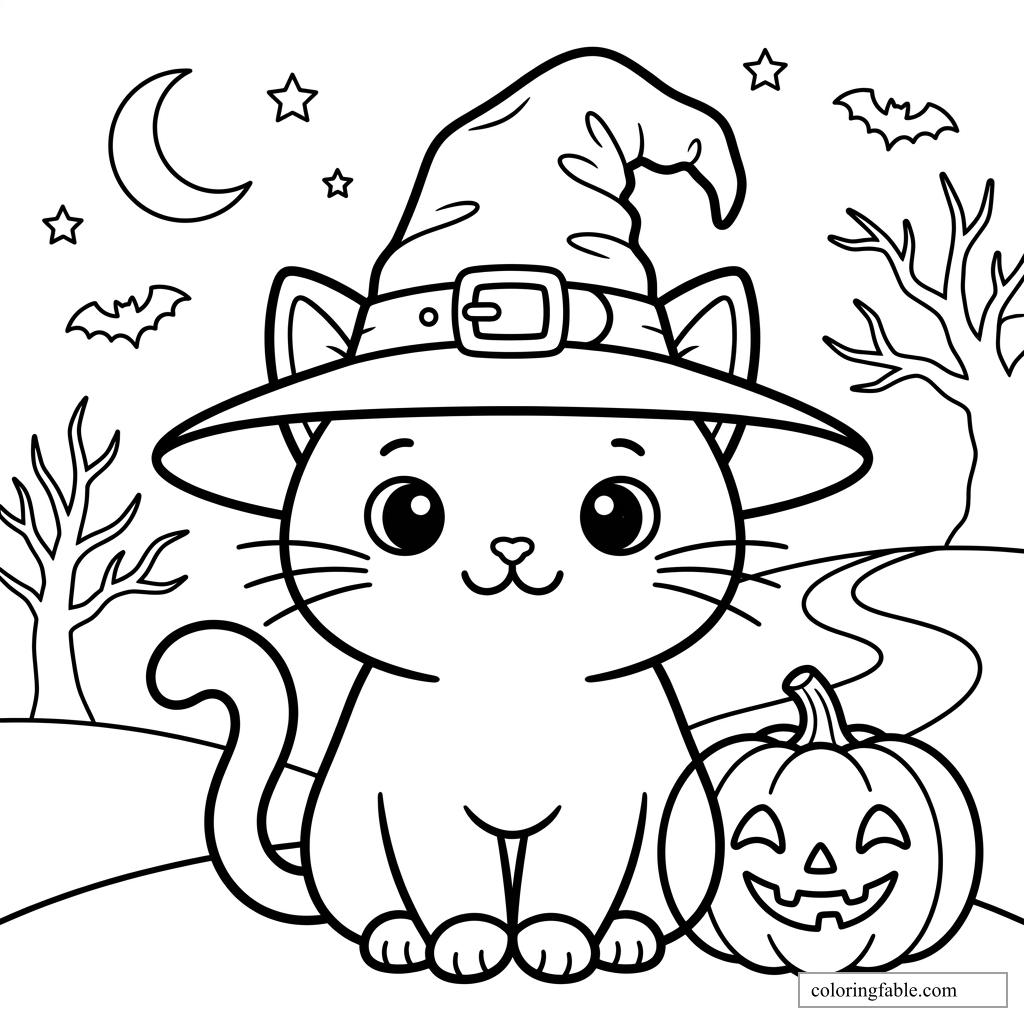
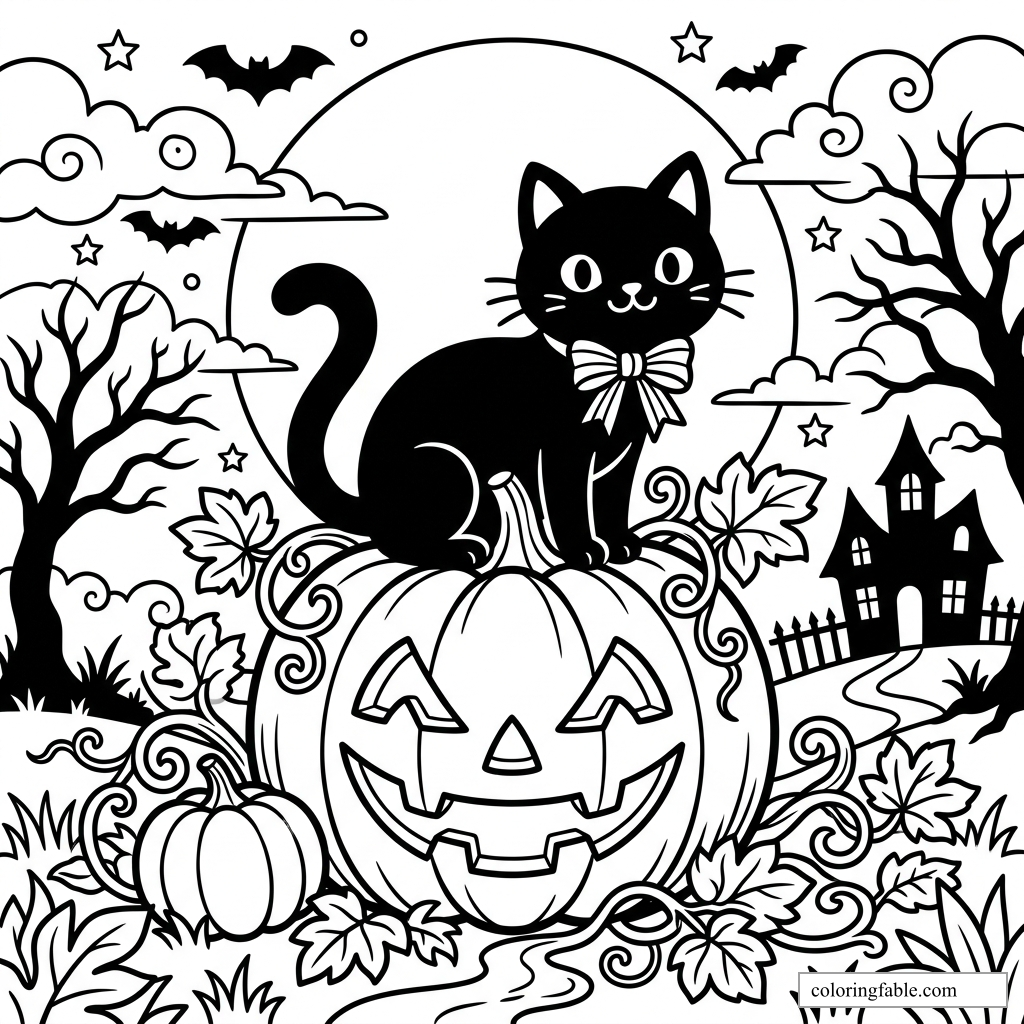
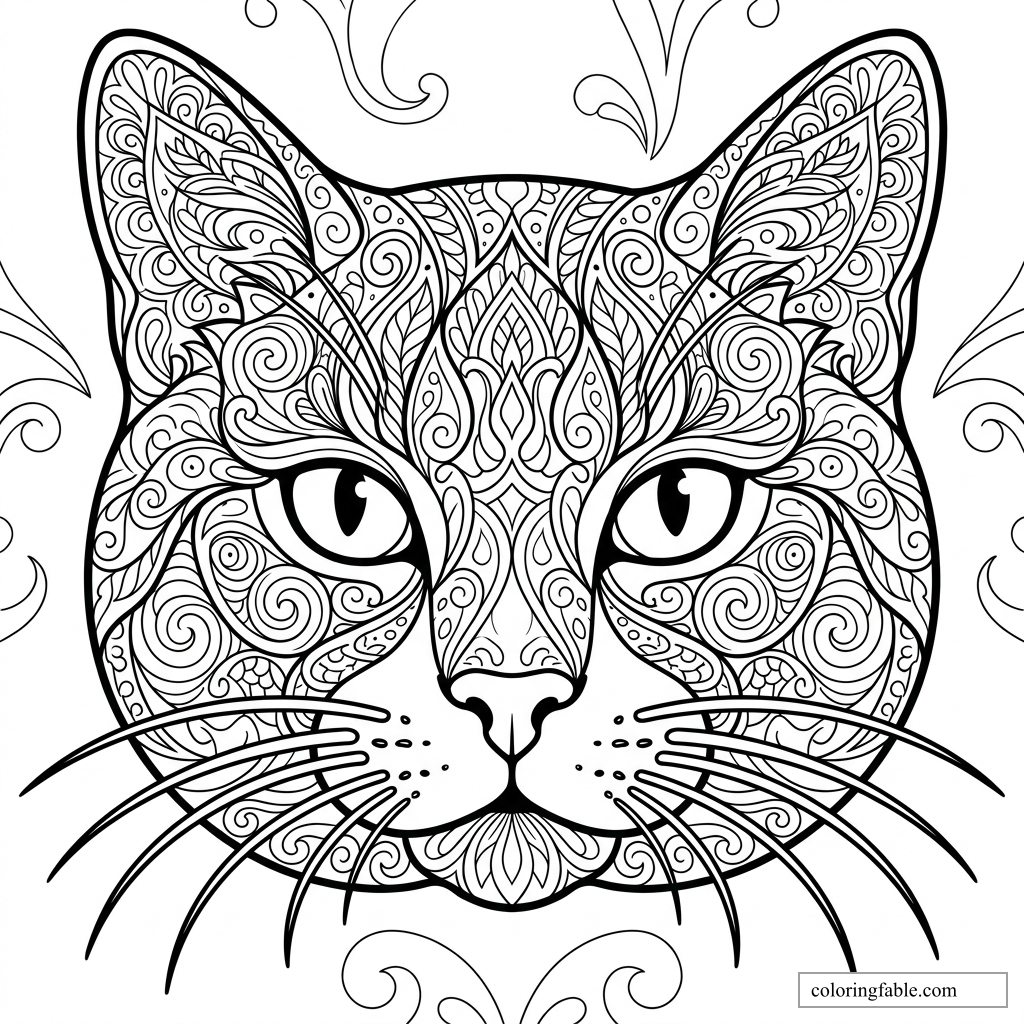
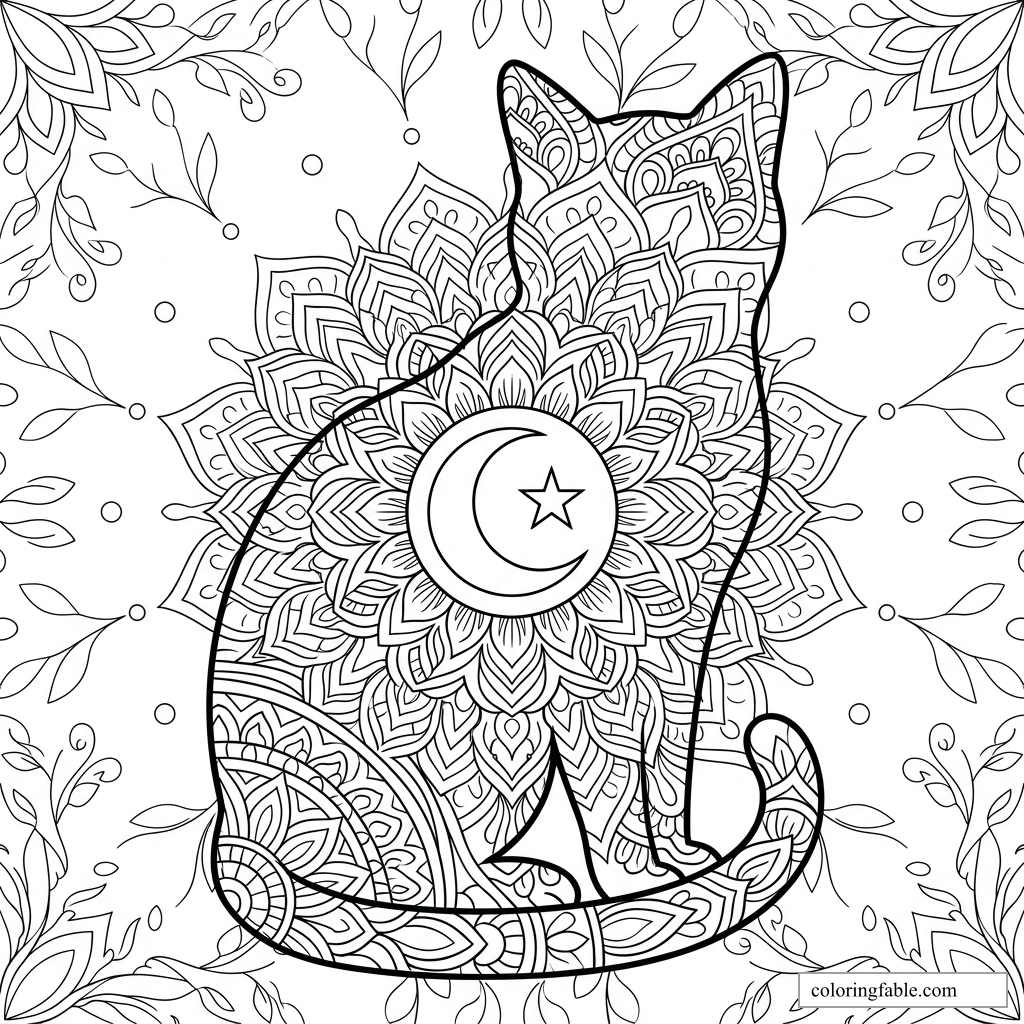
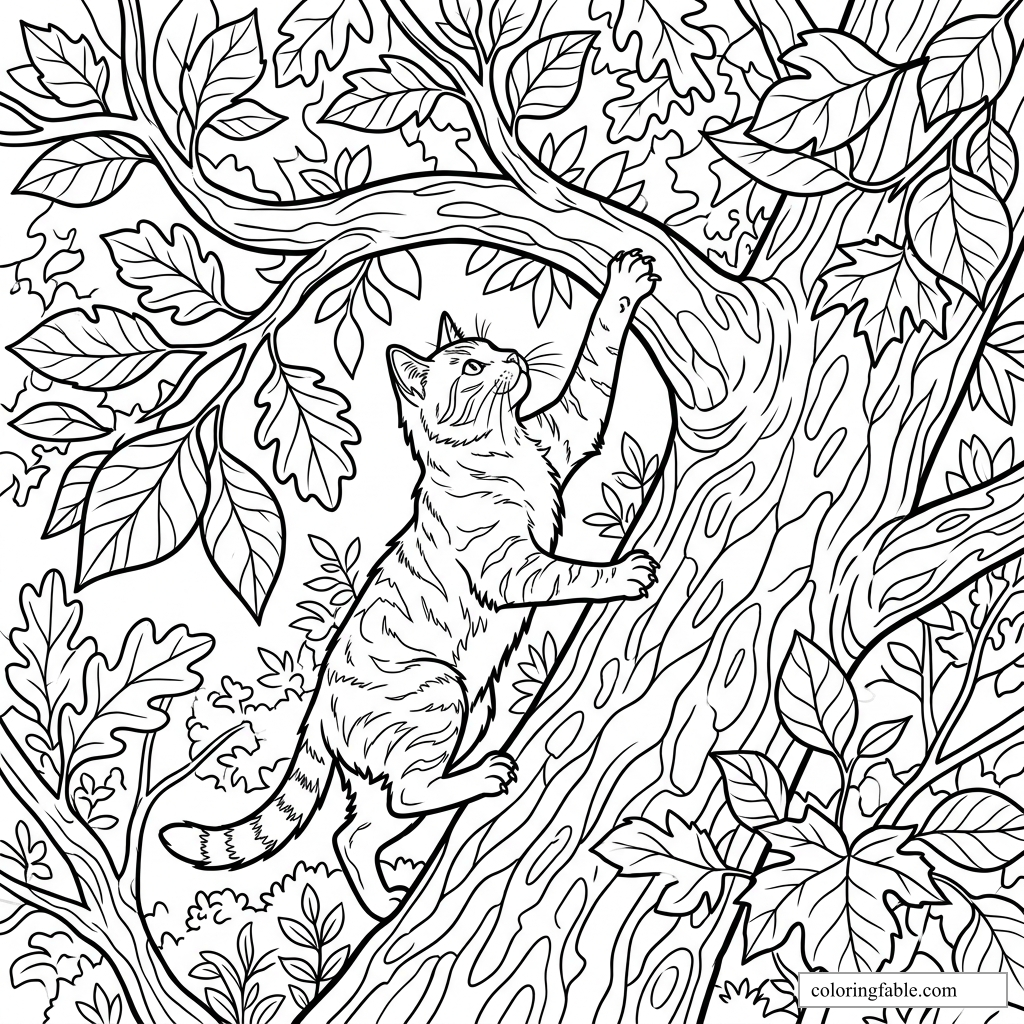
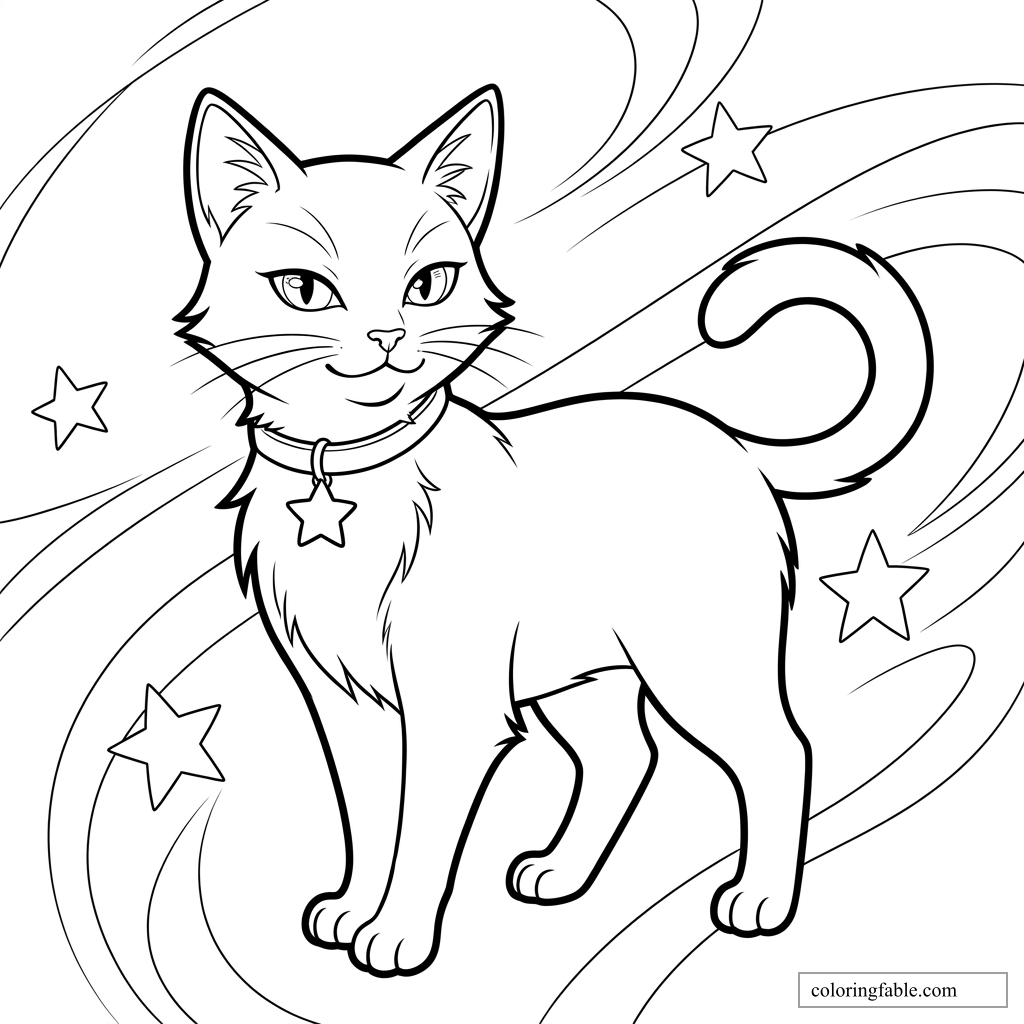
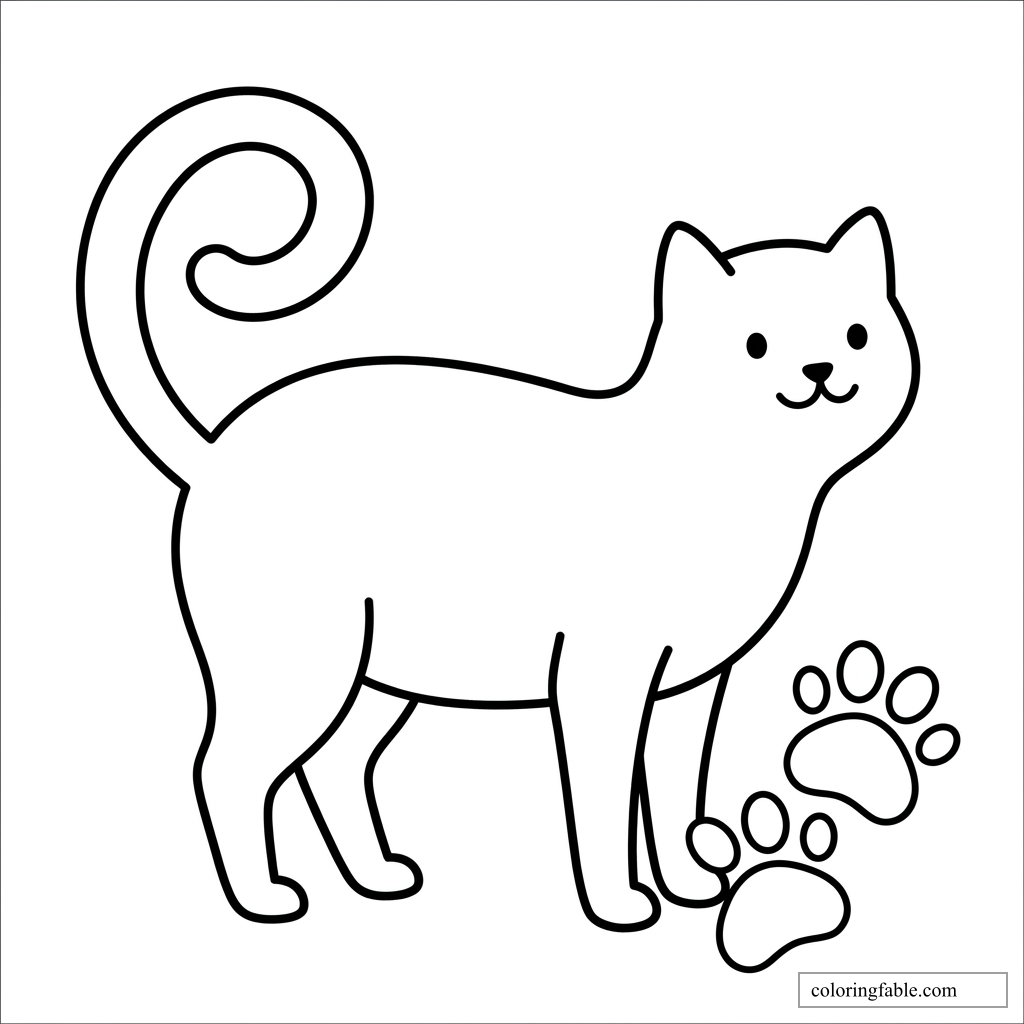
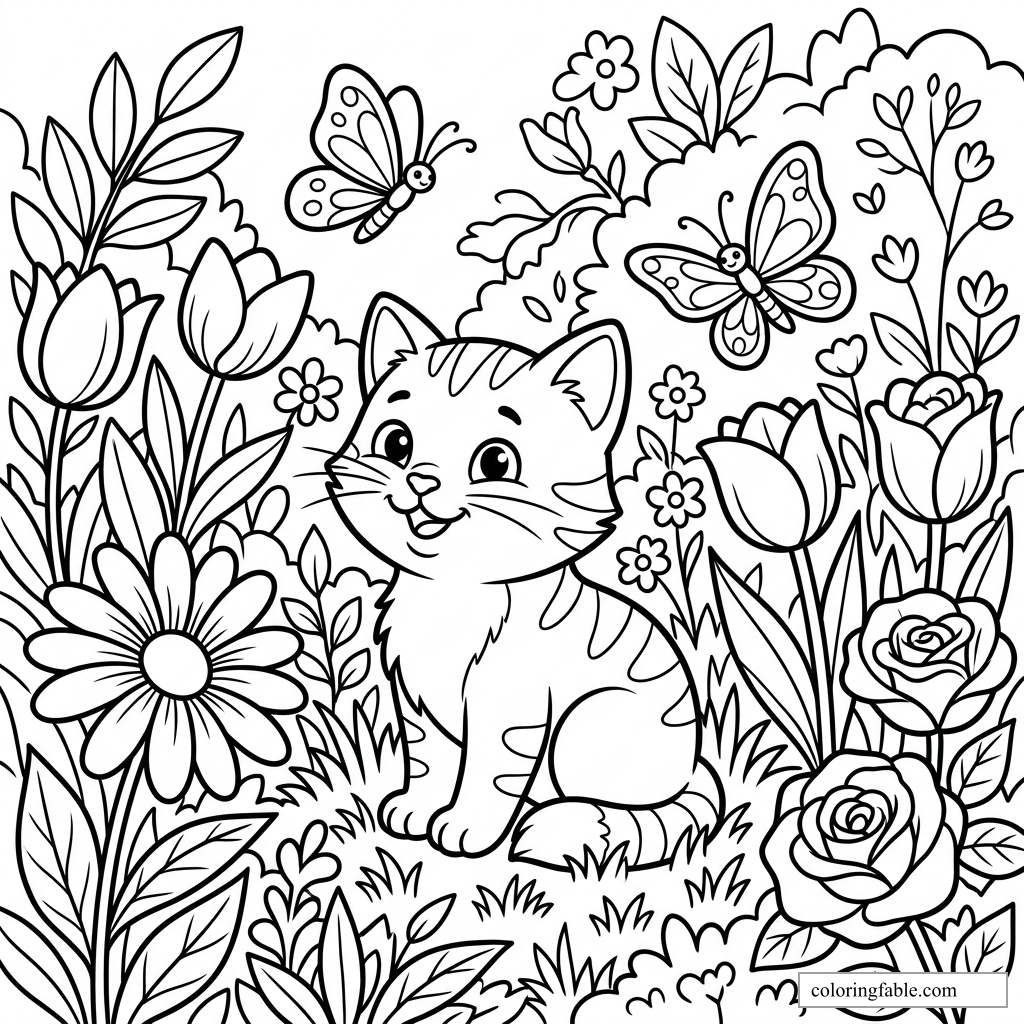
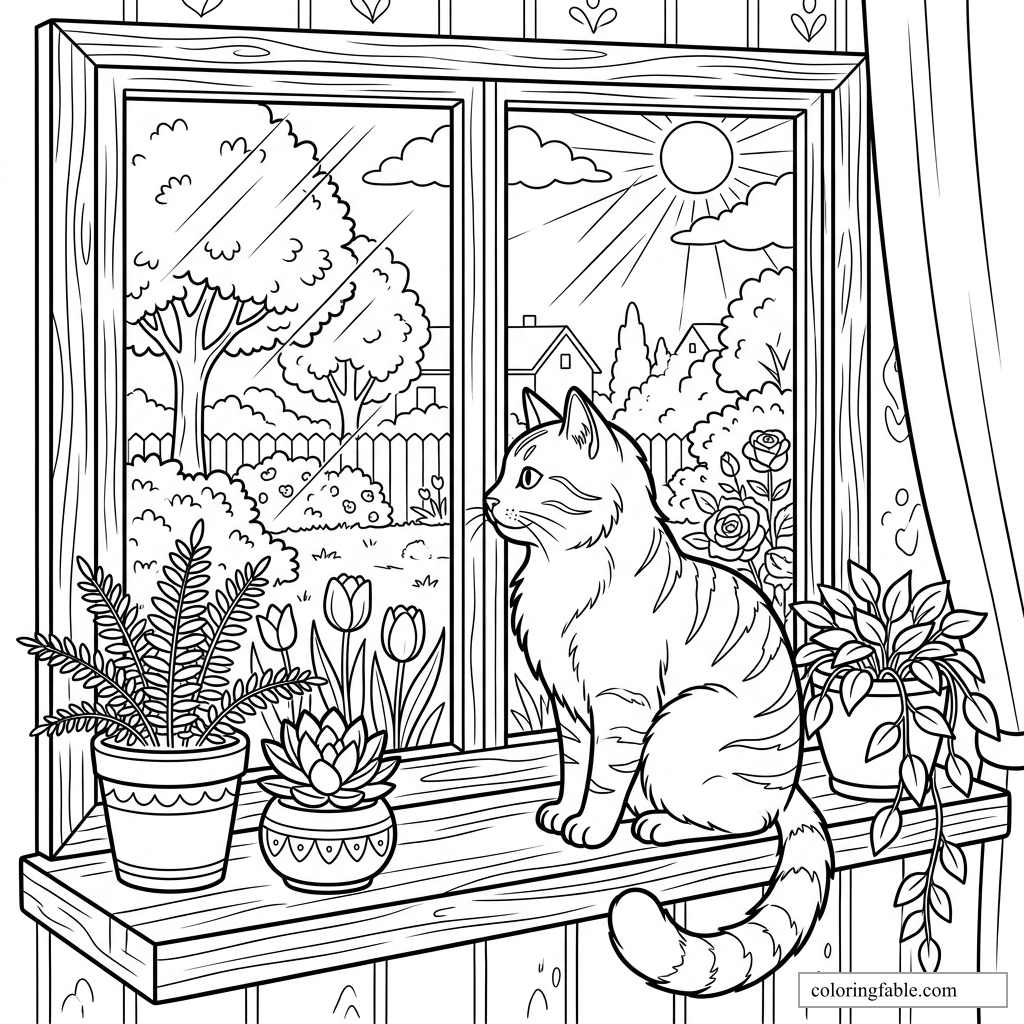
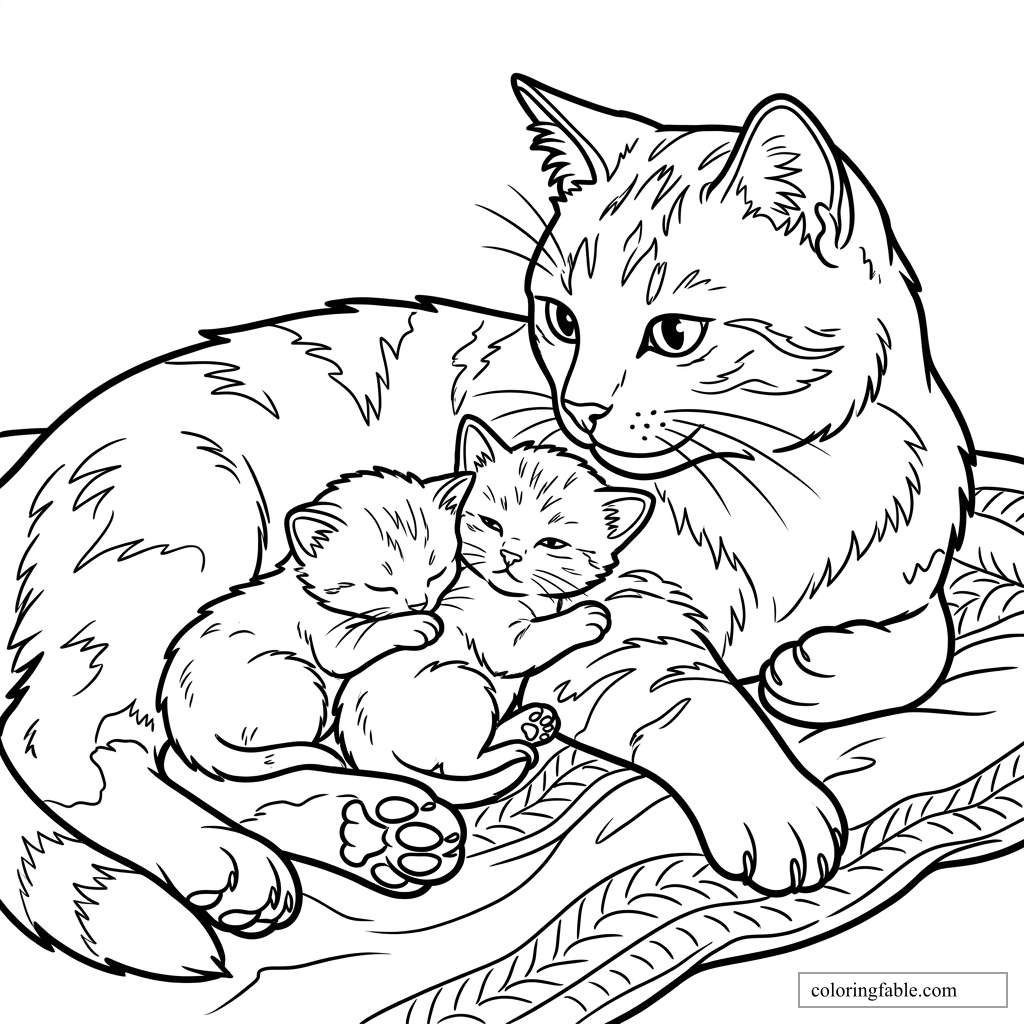
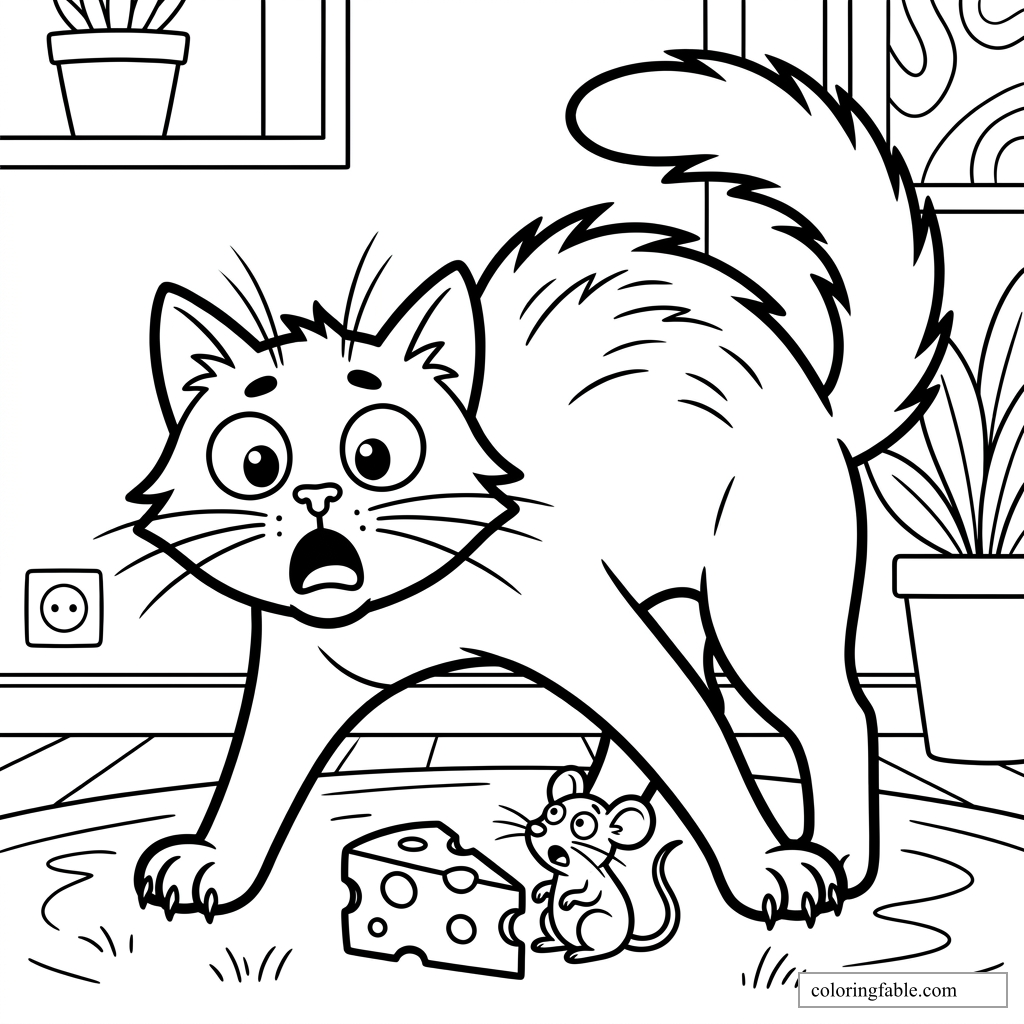
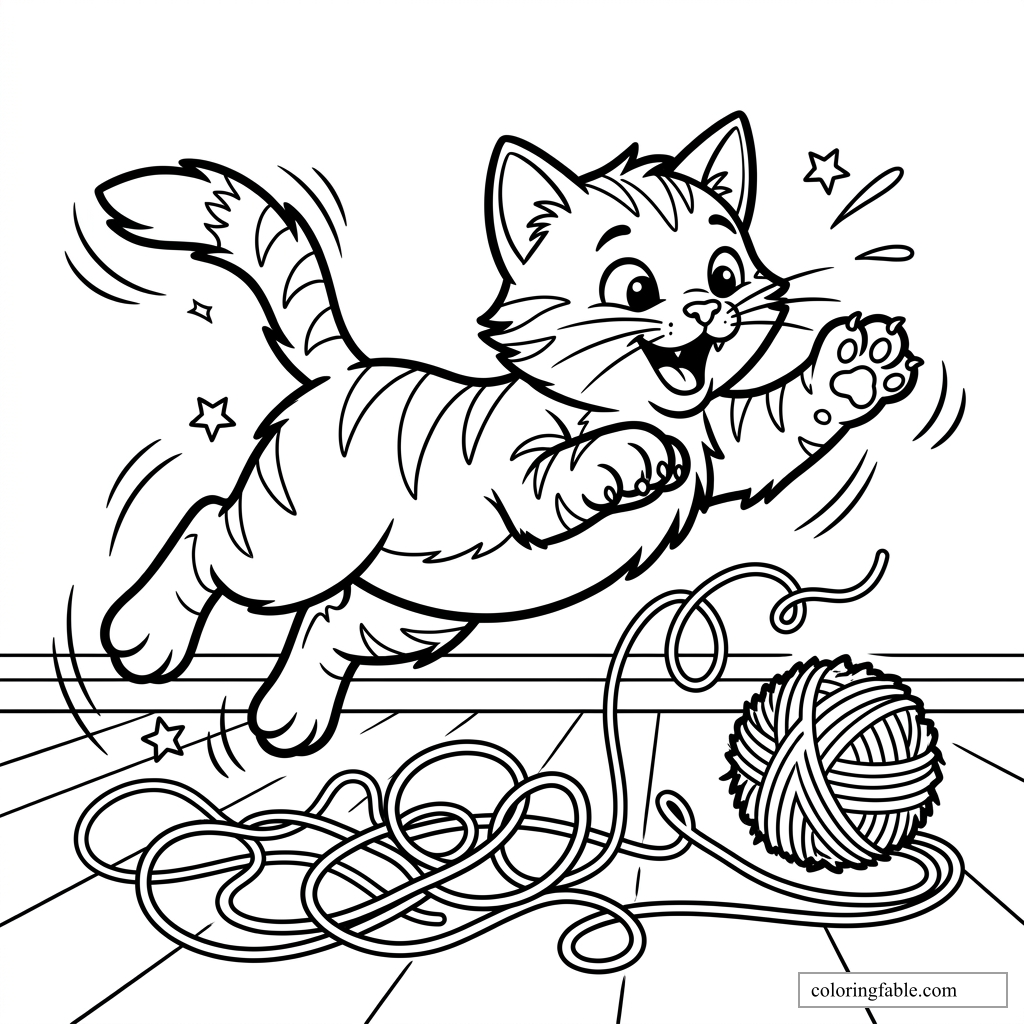
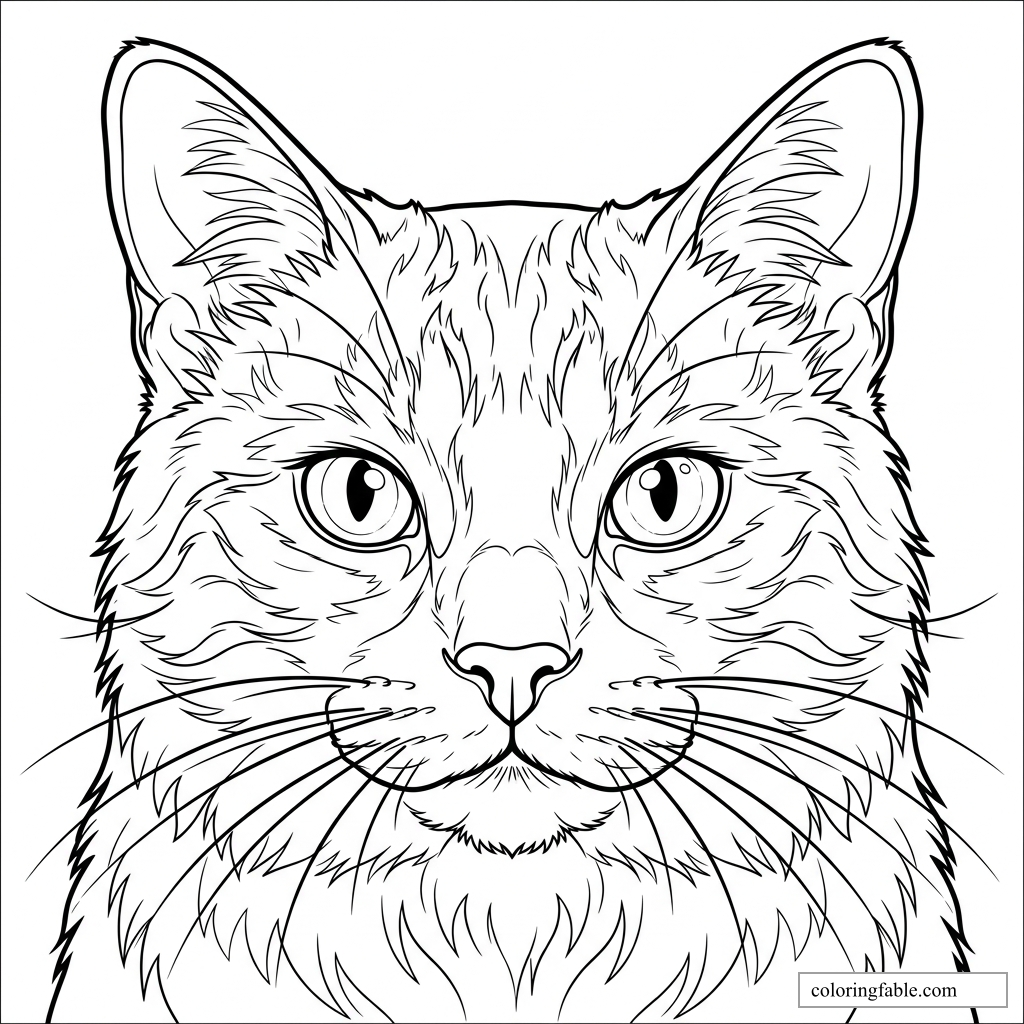
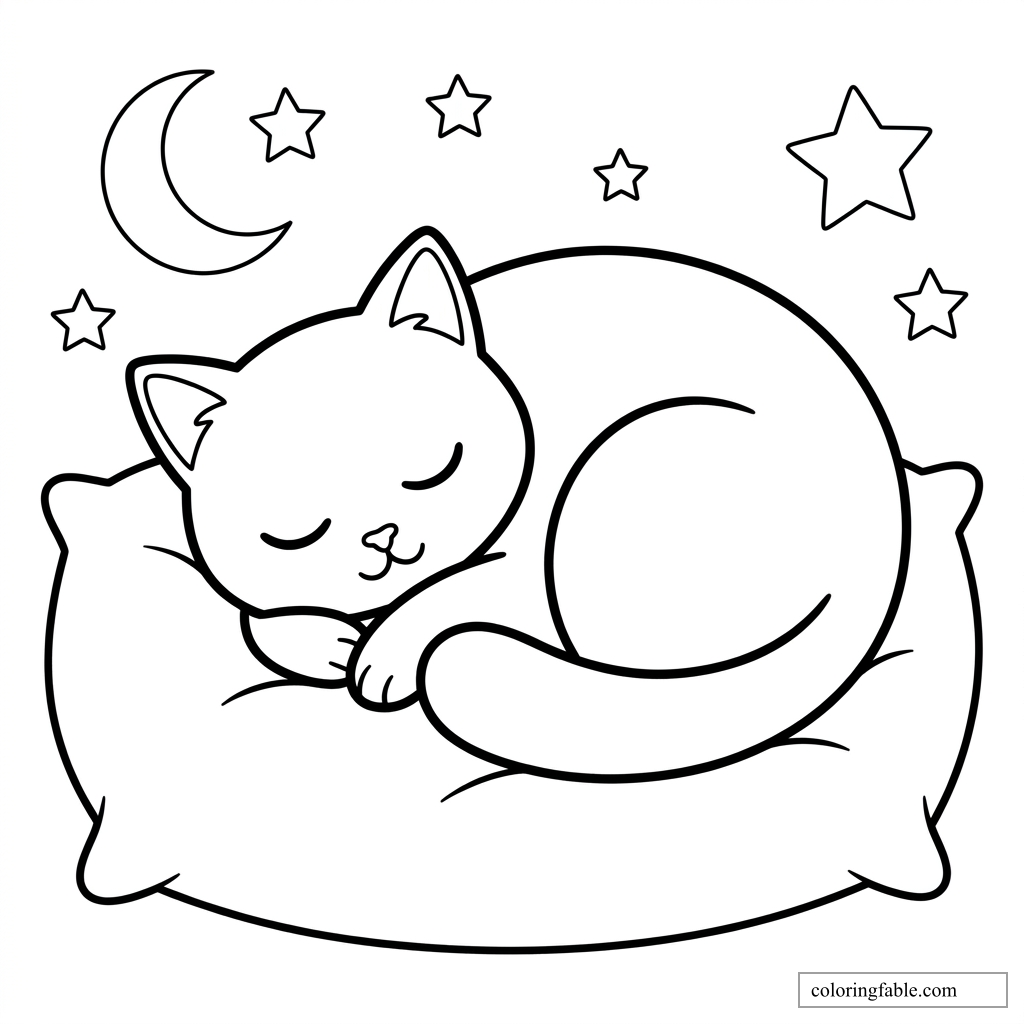
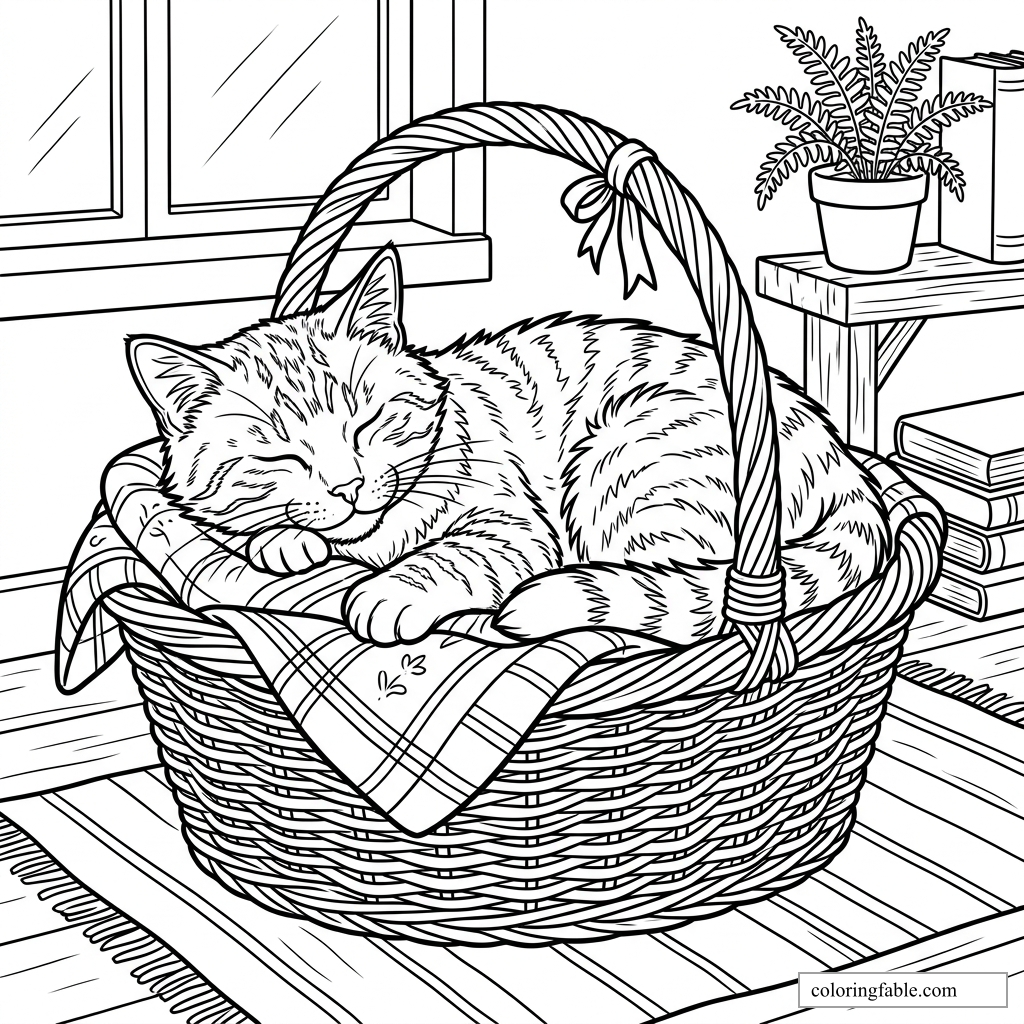
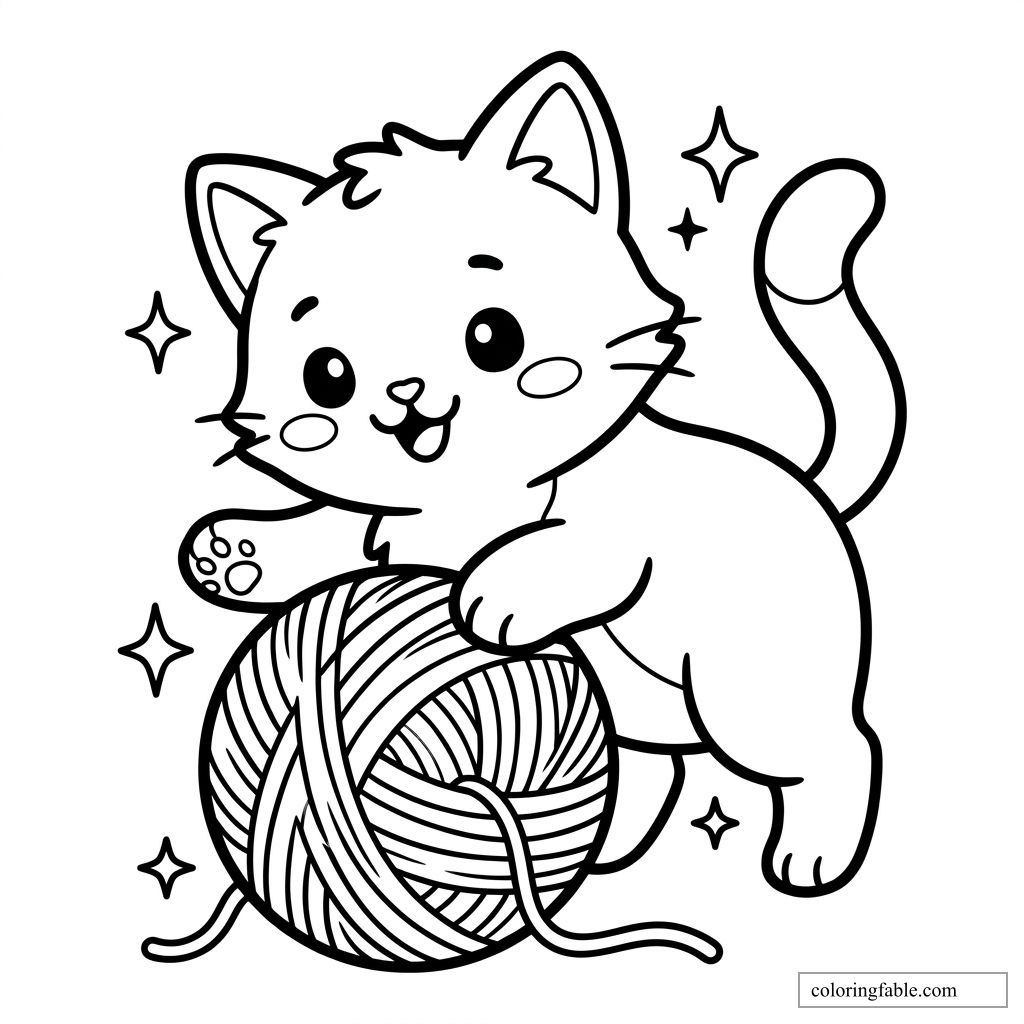
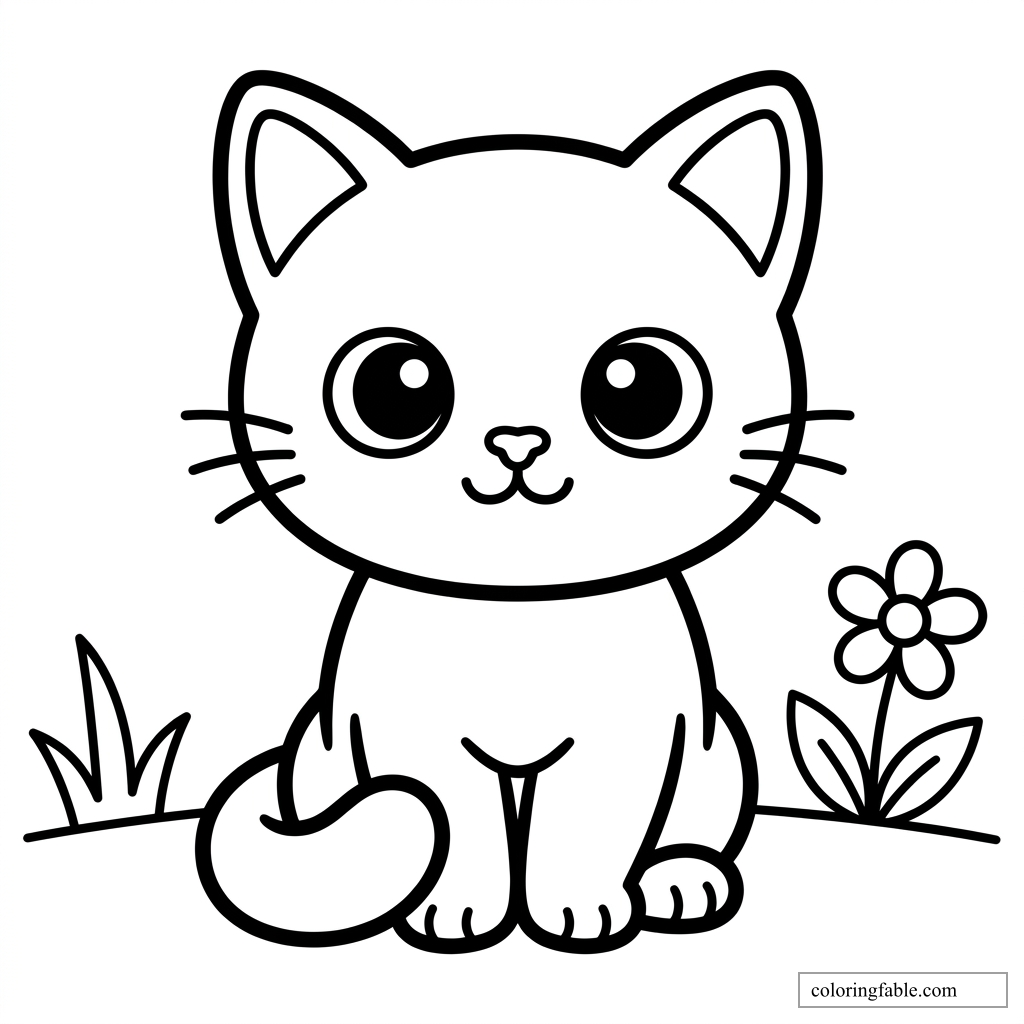
This collection gathers cats in the poses kids recognize: curled into a nap, batting at yarn, stretching their backs, peeking from boxes, and sitting with neat little paws. You’ll find easy pages with big kitten shapes for preschoolers, medium designs with collars and baskets for elementary-age colorers, and more detailed tabby stripes, fluffy tails, and whiskers for older kids or adults who enjoy fur texture. It’s a good fit for animal lovers, classroom pet themes, quiet-time printing, or anyone who wants a familiar house cat without needing a real one on the table.







Fun facts to share while coloring
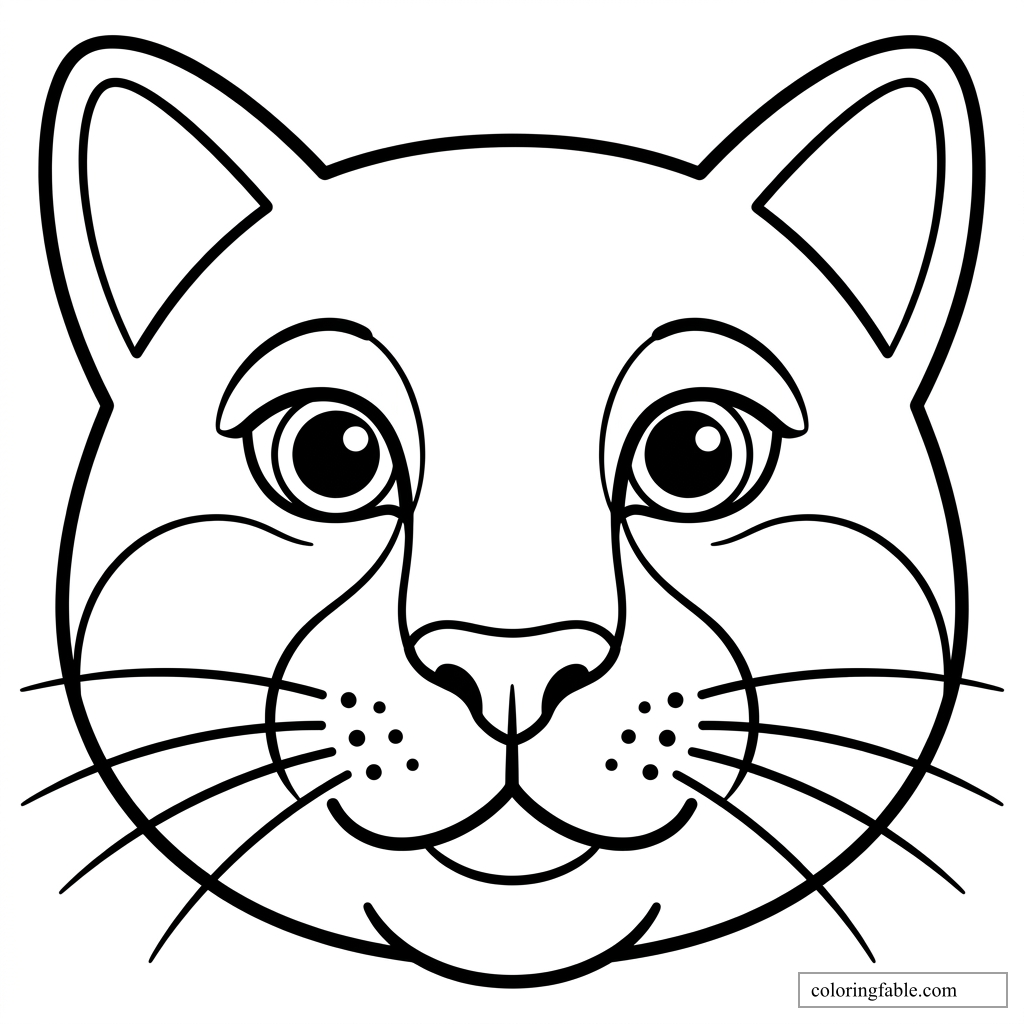
Cats use their whiskers as sensitive touch tools; the long hairs help them judge tight spaces and notice movement near their face. Most cats walk on their toes, which is one reason they can move so quietly across a room. Their ears are also remarkable: a cat can turn each ear toward a sound, helping it locate tiny noises like a rustling toy or a mouse. Domestic cats usually sleep for many hours each day, often around 12 to 16, because short bursts of hunting-style energy are part of their natural rhythm. Calico coloring is almost always found in female cats, because the orange and black coat colors are linked to X chromosomes.
Coloring tips
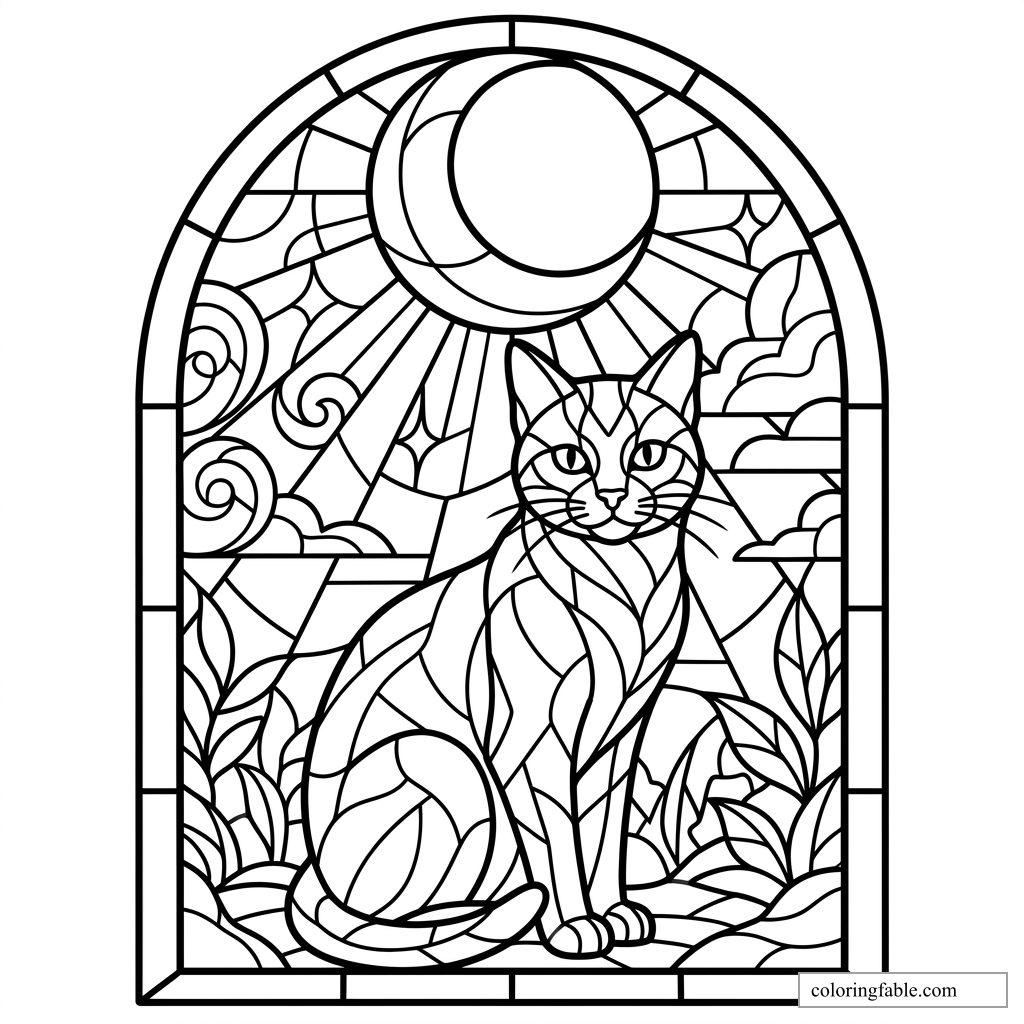
Start with classic cat colors: soft gray or brown for tabby fur, black stripes or spots, orange for ginger cats, deep black with white paws for tuxedo cats, and patches of white, orange, and black for calicos. Add pink to noses, paw pads, and inner ears, then choose green, gold, copper, or blue for the eyes. For fur, use short pencil strokes that follow the cat’s body: curve them around cheeks, sweep them down the tail, and keep them tiny on the paws. Leave whiskers white or draw them last with a white gel pen. For a cat-specific twist, turn a simple background into a favorite perch: a sunny windowsill, a cardboard box castle, or a moonlit rooftop.